Refugee Crisis Coverage sets the stage for this enthralling narrative, providing a comprehensive look into the complex world of forced displacement affecting millions globally. Today, we witness a staggering number of individuals seeking safety from conflict, persecution, and environmental catastrophe, with various regions experiencing unprecedented levels of displacement. This coverage aims to unpack the intricate dynamics at play, highlight the role of media in shaping public perceptions, and explore the challenges faced in accurately reporting these critical issues.
Overview of the Refugee Crisis
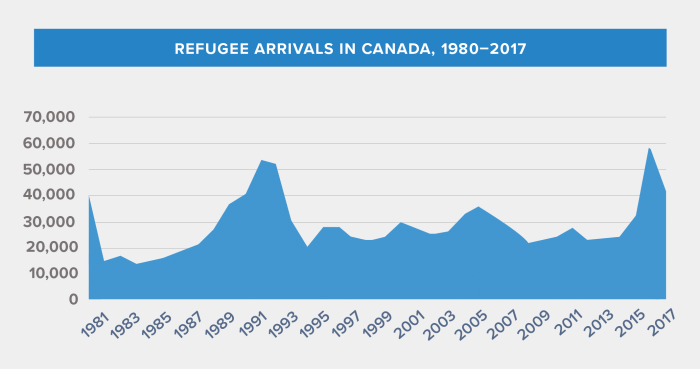
Source: unhcr.ca
The global refugee crisis has reached unprecedented levels, as millions of individuals are forcibly displaced due to conflict, persecution, and violence. This humanitarian issue extends across various regions, resulting in vast numbers of refugees seeking safety and stability in foreign lands. Understanding the current status of this crisis is essential for fostering empathy and mobilizing support for those affected.The ongoing conflicts in regions such as the Middle East, Africa, and parts of Asia significantly contribute to the refugee crisis.
Countries like Syria, Afghanistan, South Sudan, and Venezuela have witnessed massive displacement due to civil wars, systemic oppression, and economic turmoil. As of 2023, the UNHCR reports an alarming figure of over 32 million refugees worldwide, highlighting a diverse demographic spectrum that includes women, children, and the elderly.
Regions Most Affected by Forced Displacement
The refugee crisis predominantly affects several key regions around the world. Each area presents unique challenges and circumstances that contribute to the plight of displaced individuals:
- Middle East: Countries such as Syria and Iraq are currently grappling with ongoing conflicts that have led to millions fleeing their homes. The Syrian Civil War alone has resulted in over 6 million refugees.
- Africa: Nations like South Sudan and the Democratic Republic of the Congo face internal strife and violence, leading to widespread displacement. South Sudan accounts for approximately 2 million refugees.
- South America: The political crisis in Venezuela has triggered a mass exodus, with over 5 million Venezuelans seeking refuge in neighboring countries like Colombia and Brazil.
- Asia: Afghanistan continues to face instability, prompting many Afghans to flee to neighboring countries, with over 2.5 million Afghans currently displaced.
The demographics of refugees are diverse, with a significant portion being women and children. According to UNHCR statistics, about 50% of refugees are children under the age of 18, underscoring the urgent need for targeted support and protection for vulnerable groups.
The global population of refugees has reached over 32 million, representing a humanitarian crisis that requires immediate attention and action.
Media Coverage of Refugee Issues
The media plays a critical role in shaping the public’s perception of refugees, influencing attitudes and policies through its portrayal of their stories. The way refugee issues are presented can either foster empathy and understanding or reinforce negative stereotypes and fear. Various media outlets exhibit differing approaches to covering refugee stories, each shaped by their editorial policies, target audiences, and cultural contexts.
Some aim for in-depth, humanizing narratives that highlight personal experiences and challenges, while others might focus on statistical data or broader geopolitical discussions.
Role of Media in Shaping Public Perception
Media coverage can significantly influence how the public views refugees. Stories that portray refugees as victims seeking safety can generate compassion, while narratives that emphasize threats or burdens can lead to fear and resistance. The framing of these narratives often reflects broader societal attitudes and can lead to polarized views on immigration and asylum policies. For instance, a study conducted by the Pew Research Center highlighted that audiences exposed to positive refugee stories were more likely to support refugee resettlement programs.
Conversely, sensationalist headlines that focus on crime or economic burden can entrench negative stereotypes, leading to public opposition against policies aimed at refugee support.
Comparative Approaches of Media Outlets
Different media outlets have distinct editorial lines that influence how they report on refugee issues. For example, mainstream news networks like BBC and Al Jazeera often prioritize comprehensive reporting that includes the voices of refugees themselves, providing a platform for personal stories and expert analysis. In contrast, tabloid publications may opt for sensational headlines that emphasize conflict or crisis, often reducing complex issues to simplistic narratives.The following points illustrate key differences in media approaches:
- Human Interest vs. Political Analysis: Outlets like NPR might focus on human stories to build empathy, while others might prioritize political implications and policy debates.
- Local vs. Global Perspectives: Local news may cover refugee issues with a focus on community impacts, while international news outlets might emphasize global crises and humanitarian responses.
- Data-Driven Reporting vs. Anecdotal Evidence: Some media may rely heavily on statistics to paint a broader picture of refugee demographics and trends, while others may feature individual stories that highlight personal struggles and resilience.
Impact of Sensationalism in Reporting
Sensationalism in refugee reporting can have profound effects on public perception and policy. When media outlets prioritize shocking images or hyperbolic language, they often overshadow the complexities of refugee experiences. This can lead to a misinformed public, resulting in increased xenophobia and stigma against refugees. For example, during the European migrant crisis, some outlets depicted refugees as a ‘flood’ or ‘invasion,’ which contributed to heightened fears around immigration.
Such portrayals can incite backlash against refugees, influencing political discourse and policy decisions that may further restrict asylum seekers’ rights.
“Sensationalist media coverage not only distorts public perception but also undermines the humanity of those seeking refuge.”
Ultimately, the manner in which media outlets cover refugee issues can either facilitate understanding and compassion or fuel division and misunderstanding within society.
Challenges in Refugee Reporting: Refugee Crisis Coverage
Reporting on refugee crises presents a complex array of challenges that journalists must navigate carefully. The nature of refugee situations often involves rapidly changing circumstances, emotional narratives, and sensitive cultural contexts. These factors can complicate the work of media professionals striving to convey accurate and meaningful stories while adhering to ethical standards.One major challenge lies in accessing accurate information in conflict zones or areas where refugees are displaced.
Journalists often face logistical obstacles, such as restricted access to areas, safety concerns, and language barriers. Furthermore, the transient nature of refugee populations makes it difficult to establish reliable sources and report consistently. Despite these obstacles, the responsibility of reporting ethically and sensitively remains paramount.
Key Challenges for Journalists
Several specific challenges continually arise in refugee reporting, affecting the quality and integrity of the stories told. The following points highlight these obstacles:
- Safety and Security: Reporters often place themselves in dangerous situations while covering crises, risking their own safety to tell the stories of vulnerable populations.
- Access to Sources: Gaining permission to interview refugees can be complicated due to bureaucratic regulations, cultural sensitivities, and the precariousness of their situations.
- Time Sensitivity: Crises evolve rapidly, leaving journalists with limited time to gather information, conduct interviews, and produce stories before circumstances change.
- Misinformation and Propaganda: Journalists must navigate a landscape rife with misinformation, where propaganda can distort the realities faced by refugees and influence public perception.
- Emotional Burden: Covering traumatic events can take a toll on journalists’ mental health, making it challenging to remain objective while empathizing with those affected.
Ethical Considerations in Reporting
Ethical considerations are crucial when reporting on refugee crises, as journalists must balance the need for compelling narratives with the dignity and rights of individuals involved. One key aspect is obtaining informed consent from refugees before sharing their stories or images. This ensures that individuals understand how their narratives will be used and are willing participants in the reporting process.Additionally, journalists have a responsibility to avoid sensationalism that might exploit the suffering of refugees for dramatic impact.
Instead, the focus should be on providing context and understanding the broader implications of their experiences.
“Empathy in reporting fosters a deeper connection between the audience and the refugees, transcending simple statistics to humanize their plight.”
Importance of Language in Media Coverage
The language used in media coverage of refugee crises plays a pivotal role in shaping public perception and understanding. Choosing accurate and empathetic terminology can help convey the realities faced by refugees while avoiding stigmatization. It is essential to use terms that reflect their experiences without reducing them to mere statistics or victims. For instance, referring to refugees as “people seeking safety” rather than “migrants” emphasizes their plight and the reasons behind their displacement.
Moreover, journalists should strive to avoid loaded language that may imply blame or responsibility for the crisis. Instead, framing their narratives around resilience, hope, and the quest for human rights can foster a more compassionate public discourse and encourage supportive responses from the audience.
Case Studies of Refugee Coverage
Source: care.org
The refugee crisis has sparked numerous media stories that have resonated with audiences and influenced public policy. Through powerful narratives and compelling visuals, these stories have not only raised awareness but also shaped legislative responses. This section highlights notable case studies in refugee coverage, examining their impact on public discourse and policy changes while analyzing the storytelling techniques that have proven effective in amplifying the voices of displaced individuals.
Notable Examples of Refugee Coverage
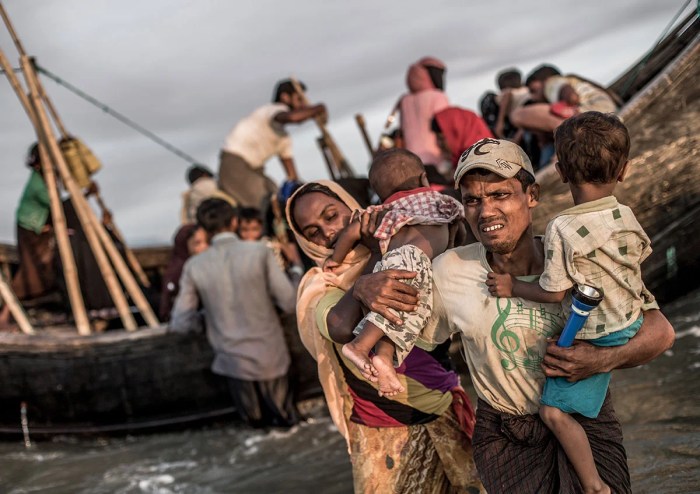
Media outlets have produced impactful coverage that has led to significant public policy changes. For instance, the heart-wrenching image of Alan Kurdi, a three-year-old Syrian boy who drowned while fleeing to Europe, prompted a global outcry and shifted the narrative around the refugee crisis. This single image was pivotal in mobilizing public sentiment, leading to stronger advocacy for refugee rights and changes in immigration policies across various countries.Another notable case is the coverage of the Rohingya crisis by outlets like Reuters and The Guardian, which documented the plight of the Rohingya people fleeing persecution in Myanmar.
Their reporting not only highlighted the human rights violations faced by this community but also brought international attention to their situation, compelling governments to take action and provide humanitarian assistance.
Effectiveness of Storytelling Techniques
Different storytelling techniques have been employed effectively in refugee coverage, enhancing audience engagement and empathy. Personal narratives, in particular, have emerged as a powerful tool. These stories often feature firsthand accounts from refugees, allowing audiences to connect emotionally. Visual storytelling has also played a crucial role. Powerful photographs and videos can capture the raw emotions of displaced individuals, evoking sympathy and a sense of urgency.
For instance, the use of video documentaries that follow refugees’ journeys can create a visceral understanding of their struggles, making it more challenging for viewers to ignore the crisis.
Role of Social Media in Amplifying Voices
Social media platforms have emerged as vital channels for amplifying the voices of refugees and sharing their stories. These platforms allow refugees to narrate their experiences in their own words, bypassing traditional media gatekeepers. User-generated content on platforms like Twitter, Instagram, and Facebook can provide real-time updates and personal stories, thereby humanizing the refugee experience. Campaigns such as #WithRefugees have successfully rallied support and increased awareness about the challenges faced by refugees, demonstrating the power of collective action through social media.The ability to share stories widely allows for broader engagement from the global community, encouraging conversations around policy changes and humanitarian aid.
Social media’s accessibility enables diverse voices to be heard, fostering a sense of solidarity and shared responsibility.
Impact of Refugee Coverage on Public Awareness
Media coverage plays a pivotal role in shaping public perception and awareness regarding refugee issues. The portrayal of refugees in news outlets, documentaries, and social media can significantly influence how society views and responds to the needs of displaced individuals. Understanding this impact is crucial for fostering empathy, compassion, and a proactive approach toward advocacy.Evaluating the impact of media coverage involves a multifaceted framework.
This can include metrics such as shifts in public opinion polls, social media engagement statistics, and the volume of community-led initiatives following exposure to refugee stories in the media. By analyzing these data points, we can assess how various narratives resonate with the audience and spark action.
Framework for Measuring Impact
A robust framework for assessing the impact of refugee coverage on public attitudes can encompass several key components. This can include:
- Surveys and Polls: Regularly conducted surveys can capture shifts in public sentiments about refugees before and after significant media events.
- Social Media Metrics: Monitoring engagement levels on platforms like Twitter, Facebook, and Instagram can provide insights into how stories about refugees are shared and discussed.
- Community Action Indicators: Tracking the emergence of grassroots movements or local initiatives aimed at supporting refugees can serve as a direct indication of increased awareness and concern.
- Media Analysis: Qualitative analysis of media narratives can highlight themes that resonate with audiences, such as shared humanity or economic contributions of refugees.
Increased awareness generated by refugee coverage can directly lead to action and advocacy, as individuals and organizations mobilize to support displaced populations. This transition from awareness to action is often facilitated by empathy-driven narratives that humanize the refugee experience.
Examples of Campaigns and Initiatives
Numerous successful campaigns have emerged from heightened awareness due to media coverage. These initiatives reflect collective responses to the refugee crisis and demonstrate the power of informed advocacy. Some notable examples include:
- The #WithRefugees Campaign: Launched by the United Nations, this initiative encourages governments to take action in support of refugees, urging them to commit to protecting the rights of displaced persons.
- Refugee Week: An annual festival in various countries that aims to celebrate the contributions of refugees, foster understanding, and promote positive community engagement through storytelling and cultural exchange.
- Community Sponsorship Programs: Initiatives like the Community Sponsorship of Refugees in Canada allow local groups to directly support refugee families, demonstrating a tangible way for individuals to take action after being informed about the crisis.
These campaigns show how effective media coverage can galvanize public sentiment and inspire actionable responses, leading to a more supportive environment for refugees.
Future Directions in Refugee Reporting
As the global landscape continues to shift, so too does the nature of reporting on refugee issues. Emerging trends and new technologies are poised to redefine how these critical stories are told and understood. Journalists and media organizations must adapt to these changes in order to effectively inform the public and advocate for refugees.One prominent trend in refugee reporting is the increasing focus on digital storytelling.
This approach utilizes interactive graphics, video reports, and social media platforms to engage audiences more deeply. By employing multimedia elements, reporters can present the complex realities faced by refugees in a more compelling and accessible manner.
Emerging Trends in Coverage
The landscape of refugee reporting is evolving with several notable trends that enhance the visibility and understanding of refugee issues. These trends include:
- Personal Narratives: Increasingly, media coverage is incorporating personal stories of refugees, which humanizes statistics and enables audiences to connect on an emotional level. Individual experiences are often shared through blogs, podcasts, and documentary films.
- Collaborative Journalism: Journalists are collaborating with NGOs, local communities, and refugee groups to produce more nuanced and informed coverage. These partnerships help ensure diverse perspectives are included in reporting.
- Focus on Solutions Journalism: Instead of solely highlighting problems, there is a growing emphasis on ‘solutions journalism’ that explores successful interventions and initiatives aimed at integrating refugees into host societies.
Role of Technology in Reporting
Technology plays a significant role in enhancing the quality and reach of refugee reporting. Innovations such as data analytics, artificial intelligence, and mobile journalism are transforming how information is gathered and disseminated. Specific contributions include:
- Data Visualization: Journalists can utilize data visualization tools to present complex data related to refugee movements, demographics, and conditions in an easily digestible format, making the information more accessible to the public.
- Mobile Reporting: With the prevalence of smartphones, journalists can capture and share stories in real time, providing immediate updates from crisis zones. This immediacy allows audiences to stay informed about ongoing situations as they unfold.
- Social Media Engagement: Social media platforms serve as vital tools for refugee advocacy. They allow organizations and individuals to share stories, raise awareness, and mobilize support quickly and effectively.
Recommendations for Improving Coverage
To enhance the quality of refugee reporting, several recommendations can be made. These strategies aim to promote accurate, empathetic, and comprehensive coverage.
- Encourage media organizations to invest in training programs focused on refugee issues, ensuring that journalists understand the complexities of displacement and migration.
- Develop guidelines for ethical reporting on refugees, emphasizing the importance of consent and respect for the dignity of individuals whose stories are being told.
- Foster greater collaboration between journalists and refugee communities to ensure their voices are represented accurately and fairly in media narratives.
Role of NGOs and Activists in Coverage
Source: ctfassets.net
Non-governmental organizations (NGOs) and grassroots activists play essential roles in shaping the narrative around refugee crises and ensuring that these issues receive adequate coverage in the media. Their efforts not only amplify the voices of displaced individuals but also provide critical resources and support that inform journalists and the public alike.NGOs contribute significantly to refugee coverage and awareness through direct intervention, advocacy, and collaboration with media outlets.
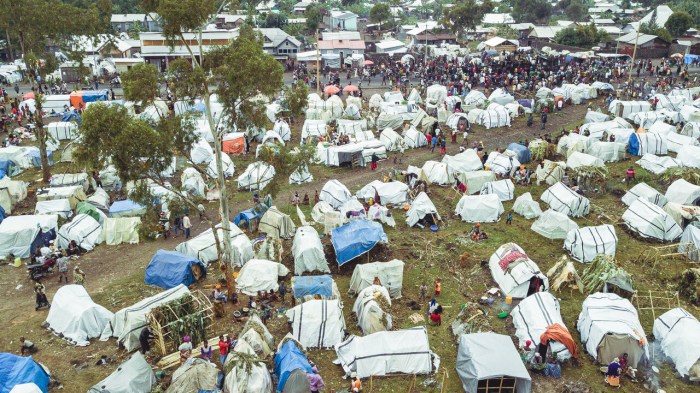
They often serve as the primary source of information in conflict zones and refugee camps, providing journalists with access to accurate data and firsthand accounts that might otherwise remain unheard. This collaboration helps to ensure that stories about refugees are not only told but told with authenticity and context.
Successful Partnerships Between Journalists and NGOs
Partnerships between journalists and NGOs often result in impactful coverage that brings important refugee issues to the forefront. These collaborations can highlight the experiences of refugees more effectively than independent reporting alone.
- One notable example is the partnership between the International Rescue Committee (IRC) and various news outlets to cover the Syrian refugee crisis. Through their collaborative efforts, the IRC has facilitated interviews with refugees and provided data on the humanitarian impact of the conflict, leading to in-depth reports that have shaped public understanding and policy discussions.
- Another example is the collaboration between Médecins Sans Frontières (Doctors Without Borders) and investigative journalists. Their joint investigations into healthcare access in refugee camps have resulted in powerful stories that have led to increased international attention and funding for critical health services.
These partnerships illustrate how NGOs can enhance the quality of refugee reporting by providing journalists with crucial insights and facilitating access to affected communities.
Impact of Grassroots Movements on Refugee Narratives
Grassroots movements have a profound impact on the narratives surrounding refugees, often challenging mainstream media portrayals and advocating for more nuanced representations. These movements typically arise from within affected communities and leverage social media platforms to share personal stories and raise awareness.
- For instance, the “#RefugeesWelcome” campaign, which began in Germany, encouraged citizens to welcome refugees into their communities. This grassroots initiative not only reshaped public perception but also compelled media outlets to cover the positive stories of integration and community support, countering prevalent negative narratives.
- Additionally, local activism in various countries has resulted in successful lobbying for more humane policies regarding refugees. Activists frequently organize protests, write open letters, and engage in community outreach to shift the conversation from fear and xenophobia to compassion and solidarity.
These grassroots efforts illustrate the power of collective voices in influencing media narratives and public policy regarding refugee issues. The collaboration between activists and journalists ultimately fosters a richer and more diverse understanding of the refugee experience.
Policy Implications of Refugee Coverage
Media coverage of the refugee crisis plays a critical role in shaping public opinion and influencing policy decisions. The way stories are told, the emphasis placed on certain aspects of the refugee experience, and the narratives constructed by journalists can significantly impact how governments respond to refugee issues. Understanding these implications is essential for fostering a more supportive environment for refugees.Media coverage has the power to shape public opinion, which in turn affects governmental responses.
When media outlets highlight the human stories behind the statistics, they can evoke empathy and drive public demand for policy changes. Conversely, negative portrayals can lead to increased xenophobia and resistance to humanitarian policies. The relationship between media narratives and public sentiment can be seen in various contexts, illustrating how informed citizens can advocate for more humane refugee policies.
Influence of Media on Policy Decisions, Refugee Crisis Coverage
The media acts as a bridge between the public and policymakers. Effective coverage can bring attention to specific needs and challenges faced by refugees, prompting government action. This has been seen in several instances where media campaigns have successfully influenced policy changes. For instance, during the Syrian refugee crisis, extensive media coverage highlighted the plight of families fleeing violence, leading to increased resettlement commitments from various countries.Key factors influenced by media coverage include:
- Raising awareness about the plight of refugees, leading to increased public empathy.
- Highlighting successful integration stories that can encourage welcoming policies.
- Exposing gaps in humanitarian responses, pushing governments to take corrective actions.
“When the media shines a light on refugee issues, it can catalyze a shift in public opinion and prompt necessary policy reforms.”
Improved media coverage could lead to better outcomes for refugees in several ways. It can encourage constructive dialogue around refugee policies, dispel myths and misconceptions, and promote the idea that refugees contribute positively to host societies. Efforts for enhanced coverage can focus on:
- Presenting balanced narratives that include positive contributions of refugees.
- Utilizing data and expert opinions to inform the public about the complexities of refugee situations.
- Engaging with refugees directly to ensure their voices are heard in the media.
By addressing these areas, media can significantly impact policy decisions and ultimately improve the lives of refugees.
Final Thoughts
Throughout this discussion, we have explored the multifaceted nature of Refugee Crisis Coverage, emphasizing the importance of ethical reporting and the impact of media narratives on public awareness and policy decisions. As we move forward, it is crucial to recognize the role of accurate storytelling in fostering understanding and advocacy for refugees, ensuring their voices are heard and their stories honored.
FAQ Explained
What is the current number of refugees worldwide?
As of recent statistics, there are over 26 million refugees globally, with the number continuing to rise due to ongoing conflicts and crises.
How does media coverage affect public perception of refugees?
Media coverage significantly shapes public perception by influencing opinions, increasing awareness, and sometimes perpetuating stereotypes that can affect policies and social attitudes.
What are the ethical concerns in refugee reporting?
Ethical concerns include ensuring accurate representation, avoiding sensationalism, and respecting the dignity and privacy of refugees while telling their stories.
How can social media amplify refugee voices?
Social media provides a platform for refugees to share their experiences directly, bypassing traditional media filters, and allows for grassroots movements to gain momentum and visibility.
What role do NGOs play in refugee coverage?
NGOs contribute to refugee coverage by providing resources, expertise, and real-world insights that help journalists report more accurately and empathetically on the issues faced by refugees.
