Electric Vehicle Adoption Rate has taken center stage in today’s conversations about sustainable transportation, marking a pivotal shift in how we view our reliance on fossil fuels. As more consumers become environmentally conscious, the transition to electric vehicles (EVs) is seen as essential not only for reducing carbon emissions but also for promoting energy efficiency. This growing trend is influenced by a mix of technological advancements, government incentives, and changing consumer preferences, making it a vital topic for both the automotive industry and potential buyers.
The landscape of electric vehicle adoption is continually evolving, with various factors shaping its trajectory. From recent statistics showcasing global adoption rates to the demographic trends of buyers, understanding the nuances of this shift is crucial for stakeholders across the board. In this discussion, we explore the current state of electric vehicle adoption, the barriers faced, and what the future may hold as technology continues to advance.
Understanding Electric Vehicle Adoption

Source: pixabay.com
The concept of electric vehicle (EV) adoption revolves around the increasing transition from traditional internal combustion engine vehicles to electric alternatives. This shift is significant as it directly impacts environmental sustainability, reducing greenhouse gas emissions, and promoting renewable energy sources. The growth in EV adoption not only represents a technological advancement in the automotive industry but also reflects changing consumer attitudes towards transportation, energy consumption, and climate change.Several factors influence the global adoption rate of electric vehicles, and understanding these can provide insights into market dynamics.
Economic considerations, such as the total cost of ownership, play a critical role. As battery prices decline, the upfront cost of EVs becomes more competitive with traditional vehicles. Additionally, government incentives, such as tax credits and rebates, encourage consumers to make the switch. Infrastructure development, specifically the availability of charging stations, is paramount as it alleviates range anxiety, one of the main concerns potential buyers have regarding electric vehicles.
Factors Influencing Electric Vehicle Adoption Rate
Electric vehicle adoption is significantly shaped by various factors that reflect both consumer behavior and market conditions. These influencing factors include:
- Government Policies and Incentives: Many governments worldwide implement policies aimed at encouraging EV adoption, including tax rebates, grants, and emissions regulations. These measures make electric vehicles more financially appealing to consumers.
- Charging Infrastructure: The expansion of charging stations is crucial. An accessible and widespread charging network enhances consumer confidence, reducing concerns about battery range and recharging times.
- Technological Advancements: Improvements in battery technology lead to longer ranges and shorter charging times, making EVs more attractive. Companies like Tesla have pioneered innovations that set performance benchmarks for the industry.
- Environmental Awareness: Growing concern over climate change and the push for sustainable practices boost consumer interest in electric vehicles as a cleaner alternative to fossil fuel-powered cars.
- Cost of Ownership: As the costs of electric vehicles continue to decline and fuel prices fluctuate, the total cost of ownership becomes more favorable for EVs, encouraging consumers to consider them as viable options.
Demographic trends also play a vital role in shaping the market for electric vehicles. Studies indicate that early adopters of EVs tend to be younger, more affluent, and more environmentally conscious.
Key Demographic Trends of Electric Vehicle Buyers, Electric Vehicle Adoption Rate
Understanding the demographics of electric vehicle buyers is essential for manufacturers and policymakers alike. Recent data highlights several key trends among this group:
- Age Group: Younger consumers, particularly millennials and Generation Z, show higher interest in EVs compared to older generations. Their emphasis on sustainability and technology aligns well with the values associated with electric vehicles.
- Income Levels: Higher-income households are more likely to purchase electric vehicles due to their higher initial costs. However, as EV prices continue to decrease, this trend may broaden to include middle-income buyers.
- Urban Versus Rural: EV adoption is more prevalent in urban areas where charging infrastructure is more developed, and residents are often more environmentally conscious.
- Gender Trends: Research indicates a growing interest among women in electric vehicles, influenced by environmental concerns and a tendency to seek vehicles that align with family needs.
Through understanding these factors and demographic trends, stakeholders can better strategize to promote electric vehicle adoption, ensuring that the transition to sustainable transportation continues to gain momentum.
Current Statistics on Electric Vehicle Adoption
The global landscape of electric vehicle (EV) adoption has witnessed significant changes over recent years, reflecting a shift towards more sustainable transportation solutions. As of the latest reports, the adoption rates for electric vehicles are on an upward trajectory, driven by advancements in technology, increased consumer awareness, and government incentives aimed at reducing carbon emissions.The current statistics reveal that electric vehicle sales have surged in various regions around the world.
A comprehensive understanding of how these rates differ across countries provides insight into the global transition towards electric mobility. Below are essential statistics that highlight the current state of EV adoption globally.
Global Electric Vehicle Adoption Rates
As of 2023, electric vehicles account for approximately 14% of new car sales globally, a notable increase from just 2.5% in 2018. This rapid growth can be attributed to several factors including expanding charging infrastructure, declining battery costs, and supportive policies.
- In 2022 alone, global electric car sales reached 10 million units, marking a 55% increase from the previous year.
- The total number of electric cars on the road crossed the 27 million mark, showcasing the growing consumer acceptance of EVs.
Comparative EV Adoption Rates by Region
EV adoption varies significantly across different regions, influenced by local policies, infrastructure, and market readiness. The following statistics provide a comparative view of electric vehicle penetration in key markets:
Norway
Leads the world with about 54% of all new car sales being electric in 2022, driven by incentives such as tax exemptions and access to bus lanes.
China
Holds the largest share of the EV market globally, with sales reaching over 6 million units in 2022, accounting for 25% of new car sales.
United States
Experienced a rise in EV sales, with approximately 7% of new vehicle sales being electric in 2022.
Germany
Saw a substantial increase in EV adoption, with electric vehicles comprising around 21% of new car registrations.
Trends in Electric Vehicle Sales Over the Past Five Years
The sales figures for electric vehicles have shown a remarkable upward trend over the past five years. The below summary illustrates the year-on-year growth that underscores this evolution.
2018
2 million electric vehicles sold globally.
2019
Sales grew to 2.5 million units, indicating a burgeoning interest.
2020
Despite the pandemic, sales reached 3 million units, demonstrating resilience in the EV market.
2021
A significant bump to 6.5 million units sold, showcasing increased consumer demand.
2022
Following this trend, sales hit 10 million units, reflecting a robust market expansion.This impressive growth trajectory signifies a pivotal shift in consumer preferences and governmental efforts to promote cleaner transportation alternatives. The future of mobility is undoubtedly leaning towards electric solutions as technology continues to advance and markets adapt to new environmental standards.
Incentives and Policies Affecting Adoption
Government incentives and policies play a pivotal role in accelerating electric vehicle (EV) adoption. As countries strive to reduce carbon emissions and combat climate change, they have implemented a variety of measures aimed at making EVs more appealing to consumers. These incentives not only make electric vehicles more financially accessible but also foster a supportive environment for their growth in the market.The impact of environmental policies on the electric vehicle market is significant.
Strong regulations aimed at reducing greenhouse gas emissions encourage automakers to invest in cleaner technologies. Additionally, these regulations push consumers toward adopting electric vehicles as a viable alternative to traditional gasoline-powered cars. The following are key incentives and policies that have shaped the EV landscape:
Government Incentives for Electric Vehicles
Several government incentives are designed to encourage consumers to consider electric vehicles. These incentives can greatly reduce the overall cost of purchasing an EV, making them more competitive with conventional vehicles. The major types of incentives include:
- Tax Credits: Many governments offer tax credits for consumers purchasing electric vehicles. For instance, in the United States, federal tax credits can reach up to $7,500 depending on the battery capacity of the vehicle. This reduces the upfront cost and makes EVs more attractive.
- Rebates: Some states and municipalities provide direct rebates that can be deducted from the purchase price. An example is California’s rebate program, which can offer up to $2,500 for eligible EV buyers, further lowering the cost of entry.
- Subsidies for Charging Infrastructure: Government initiatives often include funding for the expansion of charging networks, ensuring that EV drivers have access to charging stations. This addresses range anxiety and enhances the practicality of owning an electric vehicle.
- Grants for Research and Development: Government grants support automakers and research institutions to innovate and improve electric vehicle technology. This directly contributes to advancements in battery capacity and efficiency, making electric vehicles more appealing over time.
Environmental Policies and Their Influence
Environmental policies significantly influence the electric vehicle market by establishing a framework that promotes sustainability and clean energy. Stricter emissions regulations compel manufacturers to pivot towards producing electric vehicles as an alternative to traditional internal combustion engine vehicles. The following elements illustrate how environmental policies shape the EV landscape:
- Emission Standards: Governments often enforce stringent emission standards that car manufacturers must meet. These standards push automakers to develop electric vehicles to comply with regulations, thereby increasing the availability of EVs in the market.
- Fuel Economy Regulations: Policies that mandate improved fuel economy also encourage the production of electric vehicles. By increasing the average fuel economy, manufacturers are incentivized to develop more efficient electric models.
- Renewable Energy Targets: Many countries have set ambitious renewable energy targets, which bolster the case for electric vehicles. As the grid becomes greener, the overall lifecycle emissions of electric vehicles decrease, making them an even more attractive option for environmentally conscious consumers.
- International Agreements: Participation in global climate agreements like the Paris Accord motivates nations to implement policies that support EV adoption and reduce reliance on fossil fuels.
“The commitment to clean energy and electric vehicles is not just a trend; it’s a necessary shift towards sustainable living.”
The combination of government incentives and progressive environmental policies creates a robust framework for electric vehicle adoption, driving sales and encouraging manufacturers to innovate in this rapidly evolving market.
Barriers to Electric Vehicle Adoption
The adoption of electric vehicles (EVs) has experienced growth in recent years, yet several barriers continue to hinder their wider acceptance. Understanding these challenges is crucial for both consumers and policymakers aiming to promote a sustainable automotive future. The following sections will delve into the various factors that impede the transition to electric mobility, with a focus on charging infrastructure and battery-related concerns.
Challenges Related to Charging Infrastructure
One of the primary barriers to electric vehicle adoption is the inadequate charging infrastructure. The lack of convenient and accessible charging stations creates hesitation among potential buyers, as the perceived inconvenience of charging can outweigh the benefits of owning an EV. This barrier manifests in several ways:
- Limited Charging Stations: Many regions lack sufficient public charging stations, especially in rural areas, making long-distance travel more daunting for EV owners.
- Charging Speed: The time required to charge an EV can be significantly longer compared to refueling a conventional vehicle. Fast-charging options are still not universally available.
- Home Charging Accessibility: Not all consumers have the ability to install home charging stations, particularly those living in apartments or without dedicated parking spaces.
The effect of these challenges is twofold. Firstly, they can deter potential buyers from making the switch to electric vehicles due to perceived inconvenience. Secondly, they can impact existing EV owners’ confidence in using their vehicles for longer trips, thereby limiting the overall market growth for electric mobility.
Concerns Around Battery Life and Performance
Battery life and performance are critical factors that influence consumer decisions regarding electric vehicles. Potential buyers often express concerns about how long an EV battery will last, its performance over time, and the associated costs of replacement.Key points of concern include:
- Battery Longevity: Many consumers worry that the battery of an EV may degrade over time, affecting the vehicle’s range and overall efficiency.
- Performance in Different Conditions: Factors such as extreme temperatures can impact battery performance, leading to apprehension about reliability in various climates.
- Replacement Costs: The potential high cost of replacing an EV battery can deter buyers, especially if they are uncertain about how long the battery will last.
The cumulative effect of these concerns places EVs at a disadvantage compared to traditional vehicles, where fuel costs and maintenance generally do not involve similar long-term considerations. Consumers are more likely to invest in alternatives when they have confidence in the performance and longevity of their chosen vehicle.
Technological Advances Influencing Adoption: Electric Vehicle Adoption Rate
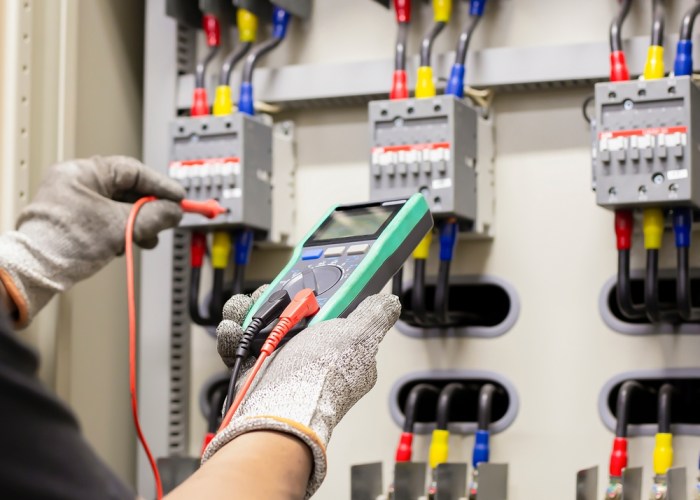
Source: joplinelectric.com
Recent innovations in technology have played a crucial role in accelerating the adoption of electric vehicles (EVs). As consumers become increasingly conscious of their environmental footprint, advancements in EV performance, battery technology, and smart vehicle features are making these vehicles more appealing than ever. These factors are not just enhancing the driving experience but also addressing key concerns related to efficiency and convenience.
Recent Innovations in Electric Vehicle Performance
The electric vehicle market has seen significant improvements in performance thanks to various technological advancements. Key innovations include:
- Improved Electric Motors: Advances in electric motor design have led to lighter, more efficient motors that enhance vehicle acceleration and overall performance.
- Regenerative Braking Systems: This technology allows EVs to recover energy during braking, which boosts efficiency and extends driving range.
- Enhanced Aerodynamics: Modern EV designs prioritize aerodynamics, reducing drag and improving energy consumption, enabling longer travel distances on a single charge.
Impact of Battery Technology Advancements
Battery technology is at the heart of electric vehicle adoption, and ongoing innovations are making significant strides. The following advancements have greatly affected the adoption rates of EVs:
- Solid-State Batteries: These batteries promise higher energy densities and improved safety compared to traditional lithium-ion batteries. With better capacity and reduced charging times, they are paving the way for longer-range EVs.
- Fast-Charging Technology: Developments in fast-charging infrastructure mean that EVs can now be charged in a fraction of the time it used to take, making them more convenient for everyday use.
- Battery Recycling Innovations: Emerging recycling techniques are making battery production more sustainable, thereby reducing the environmental impact associated with EV batteries.
Smart Vehicle Features Enhancing Appeal
The integration of smart technology in electric vehicles adds substantial value, making them more attractive to consumers. Key features include:
- Advanced Driver-Assistance Systems (ADAS): These systems provide enhanced safety features, such as automatic emergency braking and lane-keeping assistance, making driving easier and safer.
- Over-the-Air Updates: Many EVs now offer software updates remotely, allowing manufacturers to improve vehicle performance and add new features without requiring a visit to the dealership.
- Smart Connectivity: Features such as smartphone integration, voice control, and remote diagnostics provide drivers with a seamless experience, enhancing convenience and control over their vehicles.
“The continued evolution of technology within electric vehicles not only enhances performance but also fundamentally transforms the user experience, making EVs an increasingly viable option for consumers.”
Consumer Awareness and Education
Raising consumer awareness and educating the public about electric vehicles (EVs) is crucial for boosting their adoption. Understanding the benefits, features, and potential of EVs can significantly influence purchasing decisions. Effective education strategies can dispel myths and foster a more informed consumer base, ultimately accelerating the transition to electric mobility.Misinformation about electric vehicles can significantly distort public perception, leading to skepticism and hesitance in adopting this technology.
Common misconceptions may include concerns about battery life, charging infrastructure, or overall performance compared to traditional vehicles. Addressing these inaccuracies through targeted educational initiatives is essential for promoting a positive image of EVs.
Strategies for Educating Consumers
To effectively educate consumers about the benefits and features of electric vehicles, several strategies can be implemented:
1. Workshops and Test Drives
Hosting local events where consumers can interact with EVs and experience their performance firsthand encourages interest and understanding.
2. Online Resources and Webinars
Creating accessible online content, including videos and informational webinars, can reach a broader audience and provide in-depth education about EV technology and its benefits.
3. Collaborations with Influencers
Partnering with trusted figures in the community or industry can amplify the message and alleviate fears surrounding EVs by showcasing real-life usage and benefits.
4. Educational Campaigns
Running awareness campaigns through social media, radio, and TV can effectively disseminate factual information about EVs, focusing on economic savings, environmental impacts, and advancements in technology.The incorporation of these strategies will help bridge the information gap and promote a more informed public about the advantages of electric vehicles.
Impact of Misinformation
Misinformation regarding electric vehicles often leads to hesitation among potential buyers. Misconceptions can stem from outdated or incorrect information about EV performance, maintenance costs, and environmental impact. For instance, some consumers may believe that electric vehicles have a significantly lower range than gasoline vehicles, which is no longer the case with modern advancements in battery technology. Addressing these misconceptions is crucial for changing public perception and increasing adoption rates.
“Consumer perception is often shaped by the information they receive; accurate and transparent communication is essential for fostering trust in electric vehicle technology.”
Successful Awareness Campaigns
Several awareness campaigns have successfully boosted electric vehicle adoption by effectively communicating the benefits of EVs. Notable examples include:
California’s “Drive Clean” Campaign
This campaign focused on educating residents about the benefits of electric vehicles, providing information on incentives and environmental benefits, and highlighting local charging infrastructure.
“Go Electric” Initiative
This nationwide campaign aimed to showcase the advantages of electric vehicles through interactive workshops, social media engagement, and partnerships with dealerships to offer test drives and informational sessions.
“EV Everywhere” Challenge
This initiative encouraged communities to drive electric vehicles by providing educational resources and incentives, resulting in increased EV sales and a stronger community commitment to sustainable transportation.These campaigns illustrate the power of well-structured awareness efforts in changing consumer attitudes and driving electric vehicle adoption.
Future Trends in Electric Vehicle Adoption

Source: myftpupload.com
As the world moves towards more sustainable transportation options, the trends shaping electric vehicle (EV) adoption are continuously evolving. These trends not only reflect technological advancements but also changing consumer preferences, government policies, and societal attitudes towards environmental issues. Understanding these factors is crucial for predicting how the EV landscape will unfold in the next decade.
Emerging Trends Influencing Adoption
Several emerging trends are expected to significantly impact the future of electric vehicle adoption. These factors include advancements in battery technology, the growth of charging infrastructure, and shifting consumer attitudes toward sustainability.
- Battery Technology Improvements: Enhanced battery technologies, such as solid-state batteries, promise to increase energy density, reduce charging times, and extend the lifespan of batteries. This not only makes EVs more appealing but also reduces the total cost of ownership over time.
- Expansion of Charging Networks: As public and private sectors invest in developing extensive charging infrastructure, the convenience of charging will improve, addressing one of the significant barriers to EV adoption—range anxiety.
- Government Policies and Incentives: Countries are implementing stricter emissions regulations and providing incentives for EV purchases, which are expected to drive demand. For instance, the European Union aims for at least 30 million electric vehicles by 2030, supporting local initiatives with substantial subsidies.
Role of Autonomous Driving Technology
The integration of autonomous driving technology into the electric vehicle market is poised to enhance the attractiveness of EVs. Self-driving features can streamline the driving experience, reduce accidents, and optimize energy consumption, further reinforcing the case for EV adoption.
“The convergence of autonomous driving and electric vehicles could create a new market dynamic, making EVs the preferred choice for ride-sharing and personal use.”
As autonomous technology matures, it is likely to impact consumer perceptions of safety and convenience, encouraging more individuals to transition from traditional fuel-powered vehicles to electric models. Companies like Tesla and Waymo are leading this charge, working on creating fully autonomous EVs that are not only energy-efficient but also designed to seamlessly integrate into potential future smart cities.
Predictions for Adoption Rates Over the Next Decade
Looking ahead, predictions for electric vehicle adoption rates indicate significant growth. Current statistics suggest that while EVs account for a small percentage of the global car market, forecasts indicate they could represent over 30% by 2030 in key markets, such as Europe and North America. Several factors contribute to these predictions, including:
- Decreasing Costs: The cost of electric vehicles is projected to drop significantly, making them more competitive with internal combustion engines. For example, the International Energy Agency (IEA) reports that the total cost of ownership for electric vehicles could be lower than that of conventional vehicles by the mid-2020s.
- Rising Fuel Prices: As fuel prices continue to fluctuate, the economic advantage of EVs, which can be powered by cheaper electricity, becomes more appealing to consumers.
- Increased Manufacturer Commitment: Major automotive manufacturers are committing to extensive EV lineups, with brands like Ford and Volkswagen investing billions in electrification, indicating a strong belief in the future of electric mobility.
Comparing Electric Vehicles to Traditional Vehicles
Electric vehicles (EVs) and traditional gasoline vehicles represent two distinct approaches to personal transportation, each with its own set of advantages and challenges. Understanding the differences in environmental impact, cost savings, and performance metrics can help consumers make informed choices about their vehicle purchases.
Environmental Impact Comparison
The environmental consequences of vehicle use are a critical consideration in today’s world. Electric vehicles significantly reduce greenhouse gas emissions when compared to traditional gasoline vehicles.
-
EVs produce zero tailpipe emissions, which minimizes local air pollution.
- Even when considering electricity generation, studies show that EVs typically result in lower overall emissions than gasoline vehicles, especially in regions utilizing renewable energy sources.
- Traditional vehicles emit carbon dioxide and other harmful pollutants during operation, contributing to climate change and deteriorating air quality.
Cost Savings Over Lifecycle
When evaluating the financial implications of owning a vehicle, it’s essential to consider the total ownership costs over the vehicle’s lifecycle. Electric vehicles often present considerable savings compared to their gasoline counterparts.
-
EVs generally have lower fuel costs, as electricity tends to be cheaper than gasoline.
- Maintenance costs for electric vehicles are typically lower due to fewer moving parts and no need for oil changes.
- Incentives such as federal tax credits and state rebates can further enhance the cost-effectiveness of EVs compared to traditional vehicles.
Performance Metrics Comparison
The performance of electric vehicles and traditional gasoline vehicles can be assessed through various key metrics, including acceleration, range, and efficiency.
| Metric | Electric Vehicles | Traditional Vehicles |
|---|---|---|
| Acceleration (0-60 mph) | Often quicker due to instant torque delivery. | Varies widely, generally slower than EVs at low speeds. |
| Range on a full charge/tank | Typically between 150 to 370 miles, depending on the model. | Ranges from 300 to over 600 miles for gasoline vehicles. |
| Energy Efficiency (MPGe) | Higher, with most EVs averaging 100 MPGe or more. | Lower, with most gasoline vehicles averaging 25-30 miles per gallon. |
The comparison between electric vehicles and traditional gasoline vehicles underscores the significant differences in environmental effects, financial implications, and performance. As technology advances and consumer awareness grows, making these comparisons will be essential for future vehicle decisions.
Epilogue
In summary, the Electric Vehicle Adoption Rate is not just a statistic; it reflects a growing awareness and commitment to sustainable transportation among consumers worldwide. As we navigate the challenges and opportunities ahead, it’s clear that the future of mobility is electric. With continued support from policies, technological innovations, and education, we can expect to see electric vehicles become an integral part of our daily lives, reshaping the automotive landscape for generations to come.
Questions and Answers
What are the main benefits of electric vehicles?
Electric vehicles offer lower operating costs, reduced emissions, and often come with tax incentives that make them financially appealing.
How does charging infrastructure impact electric vehicle adoption?
The availability of charging stations is critical; a robust network boosts consumer confidence and convenience in owning an electric vehicle.
What role do government policies play in electric vehicle adoption?
Government policies, such as rebates and emissions regulations, significantly encourage the purchase and use of electric vehicles.
How do electric vehicles compare in performance to traditional vehicles?
Electric vehicles generally offer quicker acceleration and a smoother driving experience, although traditional vehicles may have longer ranges and faster refueling times.
What is the future outlook for electric vehicle adoption?
The outlook is positive, with predictions of increased adoption rates driven by technological advancements and a growing commitment to sustainability.
