International Education Trends are transforming the way students and educators interact across the globe, creating opportunities for cultural exchange, innovation, and collaboration. As globalization continues to shape educational systems, understanding these trends becomes crucial for students, institutions, and policymakers alike. The dynamic nature of international education not only influences where students choose to study but also impacts economic growth and cultural understanding.
The latest statistics on international student mobility reveal intriguing patterns, showcasing why students opt for specific countries and the resulting effects on local economies. Furthermore, technological advancements are revolutionizing classrooms, enabling virtual exchanges and enhancing cross-cultural communication.
Globalization and International Education
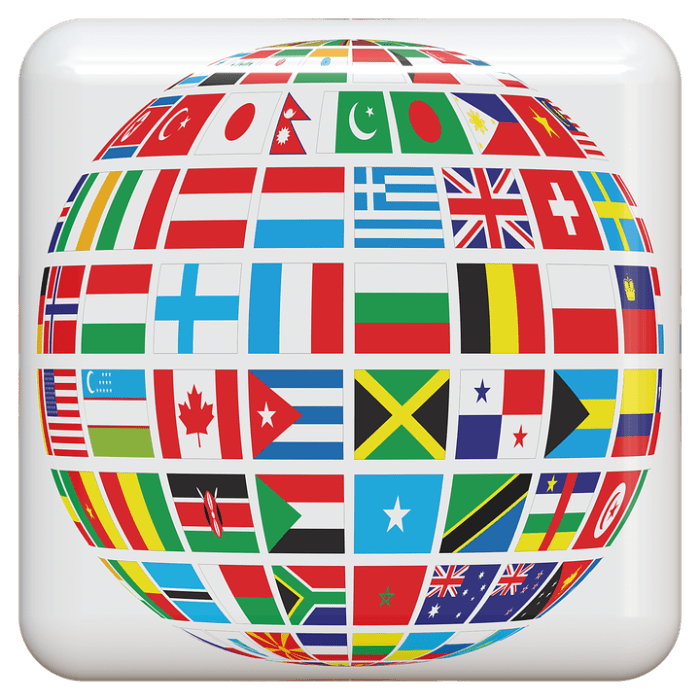
Source: pixabay.com
The process of globalization has significantly influenced education systems worldwide, intertwining them into a complex network of cultural exchange and collaborative learning. As educational institutions adapt to these global dynamics, they face both opportunities and challenges that shape the experiences of students studying abroad. Understanding the implications of globalization on education is essential for students, educators, and policymakers alike.Globalization has transformed international education by fostering greater collaboration among educational institutions across borders.
This interconnectedness has led to the development of various programs designed to enhance cultural exchange and academic cooperation. Institutions now more frequently engage in partnerships that facilitate student and faculty exchanges, joint research initiatives, and the sharing of best practices. Moreover, globalization has enabled easier access to information and educational resources, allowing students to learn from diverse educational philosophies and methodologies.
Cultural Exchange Influencing Educational Practices
Cultural exchange plays a vital role in shaping educational practices globally. This influence can be seen in various aspects:
Collaborative Programs
Universities often establish partnerships with international counterparts to offer joint degree programs and exchange initiatives, fostering a rich blend of diverse academic traditions and perspectives.
Curriculum Development
Exposure to different cultures encourages educational institutions to integrate global perspectives into their curricula, promoting critical thinking and understanding of global issues among students.
Language Acquisition
Cultural exchange enhances language skills as students engage with peers from different backgrounds, leading to improved communication abilities and intercultural competence.The benefits of cultural exchange extend beyond academic achievement, promoting a holistic approach to education that prepares students for an increasingly interconnected world.
Challenges and Benefits for Students Studying Abroad
Studying abroad presents both challenges and benefits that students must navigate. Recognizing these aspects is crucial for prospective international students.The challenges faced include:
Cultural Adjustments
Students may experience culture shock as they adapt to new social norms, values, and educational practices that differ from their home country.
Financial Considerations
The cost of living, tuition, and travel can pose significant financial burdens, making it essential for students to plan their budgets carefully.
Academic Differences
Variations in teaching styles and assessment methods can create hurdles for students not accustomed to different educational frameworks.Despite these challenges, the benefits of studying abroad are substantial:
Enhanced Employability
International experience often makes graduates more appealing to employers, as they possess skills in adaptability, problem-solving, and cross-cultural communication.
Personal Growth
Living in a different country fosters independence, self-confidence, and resilience, enriching the overall personal development of students.
Global Networking
Studying abroad allows students to build a diverse network of contacts, which can be invaluable in their future careers.
“Education is not preparation for life; education is life itself.”
John Dewey
Trends in International Student Mobility
International student mobility has seen significant shifts in recent years, influenced by various global factors such as economic conditions, political stability, and the ever-evolving academic landscape. As of the latest data, there are over 5 million international students globally, with numbers projected to continue increasing. This trend reflects a growing acceptance of the importance of cross-border education, as students increasingly seek opportunities that extend beyond their home nations.A closer look at these trends reveals specific reasons students opt for certain destinations.
Popular countries like the United States, the United Kingdom, Canada, Australia, and Germany attract students for various compelling reasons, including the reputation of educational institutions, diversity in courses, and potential career opportunities post-graduation. The availability of scholarships and funding also plays a crucial role in influencing students’ decisions. Here are some key statistics regarding international student mobility:
Current Statistics on International Student Mobility
The latest reports highlight significant trends in student mobility, showcasing where students are coming from and where they are choosing to study. The following points illustrate these statistics:
- According to UNESCO, the number of international students has grown by 11% annually, with Asia leading in outbound mobility.
- The U.S. remains the top destination, hosting around 1 million international students, followed by the UK with approximately 600,000.
- Australia continues to be a favorite among international students, seeing a 16% increase in enrolment, particularly from China and India.
- Germany has gained popularity due to its high-quality education and free or low-cost tuition, attracting over 400,000 international students.
The impact of international student mobility extends beyond individual academic achievements. It plays a significant role in local economies and job markets.
Impact of International Student Mobility on Local Economies
International students contribute significantly to the economies of host countries. The influx of students creates demand for goods and services, which in turn stimulates local businesses. Here are some key aspects of this economic impact:
- International students contributed over $39 billion to the U.S. economy in 2022, according to the Institute of International Education.
- They help create jobs, with one report estimating that each international student generates approximately 3 jobs for locals in sectors such as education, housing, and transportation.
- The presence of international students enhances cultural diversity, enriching the local community and fostering global connections.
“The economic impact of international students is significant, serving as a vital component of the educational ecosystem and local economies.”
In summary, trends in international student mobility reflect broader societal shifts and emphasize the interconnectedness of global education systems. As destinations adapt to attract more international students, the benefits to local economies and job markets will continue to be substantial.
Technology in International Education
In recent years, technology has emerged as a pivotal force in transforming international education, reshaping how students access knowledge, collaborate, and engage in cross-cultural exchanges. The integration of digital tools has streamlined communication, enhanced learning resources, and facilitated global classroom interactions, leading to enriched educational experiences for learners around the world.The landscape of international education is continually evolving through technological advancements.
These innovations not only enhance classroom learning but also improve accessibility to global education for diverse learners. Key technologies that have made significant impacts include Learning Management Systems (LMS), educational apps, and online platforms that support immersive learning experiences.
Innovative Educational Technologies in Global Classrooms
Numerous educational technologies are redefining traditional teaching and learning methodologies, fostering an environment of interactive and engaging education. The following tools exemplify how technology is being harnessed in global classrooms:
- Learning Management Systems: Platforms like Moodle and Blackboard have transformed how educators deliver courses, manage student interactions, and assess learning outcomes. They provide centralized access to course materials, assignments, and communication tools.
- Virtual Reality (VR) and Augmented Reality (AR): Technologies such as Oculus Rift and Google Expeditions enable students to experience immersive learning environments. For example, students can take virtual field trips to historical sites, enhancing their understanding of cultural contexts.
- Gamified Learning Platforms: Tools like Kahoot and Quizlet utilize game elements to make learning engaging and interactive. These platforms encourage collaboration and competition among students, promoting active participation in the learning process.
- Cloud-Based Collaboration Tools: Applications like Google Workspace allow students from different countries to collaborate in real time on projects. This promotes teamwork and cross-cultural communication as students share ideas and perspectives.
The role of virtual exchange programs in fostering cross-cultural communication is becoming increasingly important in our interconnected world. These programs leverage technology to connect students from different parts of the globe, facilitating dialogues and collaborative projects that transcend geographical boundaries. Through virtual exchanges, students can engage with peers from diverse backgrounds, enhancing their cultural competencies and global awareness.
“The impact of technology in international education is not just about accessibility; it is about creating a global learning community that embraces diversity and fosters collaboration.”
Educational technology continues to play a vital role in shaping the future of international education, equipping students with the skills needed to thrive in a globalized world. The utilization of these innovative tools not only broadens academic horizons but also enhances the overall learning experience, making international education more inclusive and engaging for all participants.
Policy Changes Affecting International Education

Source: nationaltoday.com
Recent shifts in policy regarding international education have significantly impacted the experiences of international students and the dynamics of student mobility across the globe. These changes can alter not only the regulations under which students enter and study in a host country but also influence the overall landscape of international educational partnerships. Understanding these policies is crucial for stakeholders at all levels, including institutions, students, and governments.Changes in visa regulations play a pivotal role in shaping international student mobility and enrollment rates.
For instance, many countries have recently implemented policies that either ease or complicate the visa application process, directly affecting the number of international students they attract. The United States, for example, has seen fluctuations in student enrollment due to the tightening of visa regulations which have led to increased scrutiny and longer processing times. Conversely, countries like Canada have introduced more streamlined processes, making it easier for international students to obtain study permits, thus boosting their enrollment figures.
Impact of Visa Regulations on Student Mobility and Enrollment
Visa regulations not only dictate who can study in a foreign country but also influence the overall willingness of students to pursue international education. Several countries have adopted policies intended to enhance their appeal to international students. Understanding these impacts is crucial for educational institutions looking to navigate the complexities of global student mobility.
- In the UK, the introduction of the Graduate Route allows international students to stay for two years post-study, significantly enhancing their prospects and making the country more attractive.
- Australia’s temporary graduate visa has also seen updates that allow international students to stay longer after completing their studies, which helps retain talent within the country.
- Countries like New Zealand have implemented policies that encourage international students to transition into long-term residency, thus fostering a welcoming environment.
The Role of Governments in Fostering International Educational Partnerships
Governments play a crucial role in creating frameworks that support and promote international educational partnerships. These partnerships can lead to mutual benefits, including shared research opportunities, cultural exchanges, and enhanced academic standards. Policies that foster such relationships often focus on collaboration between institutions in different countries, which can lead to the establishment of dual degree programs, research initiatives, and exchange programs.Governments are increasingly recognizing the importance of international education in enhancing their global competitiveness.
This recognition has led to various initiatives aimed at fostering international partnerships, including:
- Funding for international research collaborations and joint programs that bring institutions together for common goals.
- Establishing bilateral agreements that facilitate student and faculty exchanges, encouraging a more interconnected global academic community.
- Supporting internationalization strategies within universities to promote diversity and inclusivity in higher education.
“The future of education lies in collaboration and partnerships that transcend borders, allowing students to gain diverse perspectives and experiences.”
The Role of Language in International Education
Language serves as the cornerstone of international education, facilitating communication and understanding among diverse student populations. Proficiency in the language of instruction is crucial not only for academic success but also for cultural immersion and social integration. Mastering a new language enhances learners’ ability to engage with the local community, access resources, and foster relationships that enrich their educational journey.Language proficiency impacts the overall experience and progression of international students.
With increased globalization, the demand for skilled individuals who are proficient in multiple languages has surged, making language acquisition a vital part of international education. Bilingual and multilingual education programs can offer significant benefits, yet they also present unique challenges that institutions must address.
Importance of Language Proficiency
Language proficiency is essential for various reasons, particularly in international education contexts. It affects students’ ability to comprehend course materials, participate in discussions, and complete assessments effectively. A high level of language skill also empowers students to express their thoughts and ideas confidently, paving the way for academic success.
“Proficiency in the language of instruction is a key determinant of international students’ academic performance.”
Benefits and Challenges of Bilingual Education Programs
Bilingual education programs offer a dual advantage of language development and content knowledge acquisition. They foster cognitive benefits such as improved problem-solving skills and enhanced creativity. However, implementing such programs involves challenges, including resource allocation, teacher training, and addressing the varying language backgrounds of students.Key points regarding bilingual education include:
- Enhanced cognitive development through exposure to multiple languages.
- Increased job opportunities in a globalized workforce.
- Greater cultural awareness and sensitivity among students.
- Potential for unequal access to quality bilingual programs, particularly in underfunded institutions.
Comparison of Language Learning Methodologies
The methodologies employed for language learning can vary significantly across different educational systems, influencing how effectively students acquire new languages. Traditional grammar-translation methods prioritize reading and writing, while communicative approaches focus on speaking and real-life interaction.A comparative overview of popular methodologies includes:
| Methodology | Description | Strengths | Weaknesses |
|---|---|---|---|
| Grammar-Translation | Focuses on reading and translating written texts. | Emphasis on grammar rules and vocabulary. | Often lacks speaking practice. |
| Communicative Approach | Encourages interaction and functional language use. | Boosts conversational skills and real-life application. | May overlook grammar and formal structures. |
| Task-Based Learning | Involves completing meaningful tasks using the target language. | Real-world applicability and engagement. | Requires careful planning to ensure language focus. |
Diversity and Inclusion in International Education
International education thrives on the rich tapestry of cultures, perspectives, and experiences that students from various backgrounds bring to the table. Promoting diversity and inclusion within educational institutions is not merely a moral imperative but a catalyst for innovation, critical thinking, and a more robust educational framework. Institutions that embrace these principles can create environments where all students feel valued and empowered to succeed, regardless of their background.Strategies for promoting diversity and inclusion are essential for creating an inclusive educational landscape.
Institutions can adopt various approaches to ensure underrepresented groups have access to international education opportunities and support systems. Some of these strategies include:
Strategies for Promoting Diversity and Inclusion
Educational institutions can implement comprehensive policies and programs that prioritize diversity and inclusion. Below are several effective strategies that have shown success in fostering a more inclusive environment:
- Scholarship Programs: Establishing dedicated scholarships for underrepresented groups, such as students from low-income backgrounds or marginalized communities, can significantly increase participation in study abroad programs. These scholarships often cover tuition, travel, and living expenses, making international education more accessible.
- Mentorship Initiatives: Pairing students from underrepresented backgrounds with mentors who have relevant experience can provide invaluable guidance and support throughout their study abroad journey. Programs like the International Student Mentor Program at various universities match incoming international students with local mentors, fostering a sense of belonging and community.
- Awareness Campaigns: Conducting awareness campaigns that highlight the importance of diversity in international education can help shift perceptions and encourage participation from a broader range of students. Workshops, seminars, and promotional materials can effectively communicate the value of diverse experiences.
The significance of cultural competency in global education environments cannot be overstated. Cultural competency involves understanding, communicating, and effectively interacting with people across cultures. It enables students to navigate diverse settings, fostering respect and mutual understanding among peers.
The Role of Cultural Competency
Cultural competency is vital for students engaging in international education, as it enriches their learning experience and prepares them for global citizenship. Institutions can enhance cultural competency through various initiatives:
- Global Learning Opportunities: Providing students with opportunities to engage in global learning experiences, such as intercultural workshops and exchange programs, can enhance their cultural awareness and understanding. This exposure equips students with the skills necessary to thrive in multicultural environments.
- Curriculum Integration: Integrating discussions of diversity and cultural differences into the curriculum can promote a deeper understanding among students. Courses that include global perspectives encourage students to critically analyze cultural biases and the impact of their backgrounds on their educational experiences.
- Feedback Mechanisms: Implementing feedback systems that allow students to share their experiences related to diversity and inclusion can help institutions identify areas for improvement. Regular surveys and focus groups can provide insights into the effectiveness of existing programs and the needs of diverse student populations.
“Cultural competency is not just an asset; it is a necessity in today’s interconnected world.”
By prioritizing diversity and inclusion, international educational institutions can cultivate a richer, more vibrant learning environment. This approach not only benefits individual students but also enhances the collective educational experience, preparing all students for success in an increasingly globalized world.
Future of International Education

Source: tmdb.org
As we look ahead into the next decade, the landscape of international education is poised for significant evolution. The interplay of technology, global conflicts, and changing educational paradigms will shape the experiences of students and educators alike. This section explores the emerging trends that are likely to define the future of international education, the implications of geopolitical tensions on student mobility, and the essential skills educators will need to thrive in this dynamic environment.
Emerging Trends in International Education, International Education Trends
The future of international education will be influenced by several key trends that are already visible today. These trends can be anticipated to gain momentum over the next decade and include the following:
- Increased Hybrid Learning Models: With the integration of technology into education, hybrid models that blend in-person and online learning are likely to become the norm. Institutions will adopt flexible approaches to teaching, allowing students to learn from anywhere in the world.
- Rise of Competency-Based Education: There’s a growing emphasis on assessing students based on their skills and competencies rather than traditional grading systems. This shift will prepare students for real-world challenges by focusing on practical knowledge and abilities.
- Global Citizenship Education: Educational programs will increasingly aim to foster global citizenship, promoting values such as sustainability, inclusivity, and cross-cultural understanding. This will be critical as students navigate a more interconnected world.
- Focus on Mental Health and Wellbeing: Institutions will prioritize mental health support, creating a conducive environment for students who face the pressures of studying abroad in diverse cultures.
Potential Consequences of Global Conflicts
Global conflicts, whether political, economic, or social, can disrupt international student mobility significantly. The repercussions may include:
- Decreased Mobility: Conflicts may result in travel restrictions, making it difficult for students to study abroad or for international students to remain in host countries.
- Shift in Destinations: As safety becomes a priority, students may choose alternative countries with stable environments, leading to changes in international education trends.
- Impact on Funding and Scholarships: Geopolitical tensions can affect governmental and institutional funding for educational exchange programs, limiting opportunities for students worldwide.
Key Skills and Competencies for Future International Educators
As international education continues to evolve, educators must equip themselves with a diverse skill set to navigate this changing landscape. Essential skills and competencies include:
- Cultural Competency: Educators need to understand and respect cultural differences, adapting their teaching methods to meet the diverse needs of their students.
- Technological Proficiency: Familiarity with digital teaching tools and online platforms will be crucial for effective instruction in hybrid and remote learning environments.
- Communication Skills: Strong verbal and written communication skills are vital for building relationships with students from various backgrounds and facilitating engaging discussions.
- Adaptability: The ability to quickly adapt to new situations and challenges will help educators respond effectively to the uncertainties of the future.
The future of international education will not only be defined by the challenges it faces but also by the innovative solutions that educators and institutions will create to overcome them.
Conclusion: International Education Trends
In summary, the landscape of international education is evolving rapidly, driven by factors such as globalization, technology, and policy changes. As we look ahead, it is essential to stay informed about emerging trends and the skills necessary for future educators, ensuring that the journey of international education continues to thrive and adapt in our interconnected world.
FAQ Explained
What are the key benefits of studying abroad?
Studying abroad enhances cultural understanding, language skills, and career opportunities, while also promoting personal growth and independence.
How has technology impacted international education?
Technology has made education more accessible, facilitated virtual exchanges, and improved communication among students and educators worldwide.
What role does language proficiency play in international education?
Language proficiency is critical for effective communication and integration in host countries, enhancing both academic success and personal experiences.
What challenges do international students face?
International students often encounter cultural adjustment issues, language barriers, and navigating visa regulations, which can impact their overall experience.
How can institutions promote diversity and inclusion?
Institutions can promote diversity and inclusion by developing targeted support programs for underrepresented groups and fostering a culturally competent environment.
