Mental Health Awareness Campaigns are essential initiatives that strive to illuminate the importance of mental well-being in our communities. By fostering understanding and empathy, these campaigns play a crucial role in addressing the increasing prevalence of mental health issues and their impact on overall quality of life. With compelling statistics that reveal the growing need for awareness, it’s clear that these efforts can lead to profound changes in individual lives and society as a whole.
Whether through engaging storytelling, impactful visuals, or the power of social media, Mental Health Awareness Campaigns aim to connect with diverse audiences, encouraging open conversations and support for those affected by mental health challenges. By exploring various strategies, target demographics, and the innovative approaches that drive campaign success, we can better appreciate the dynamic landscape of mental health advocacy.
Importance of Mental Health Awareness
Source: hearstapps.com
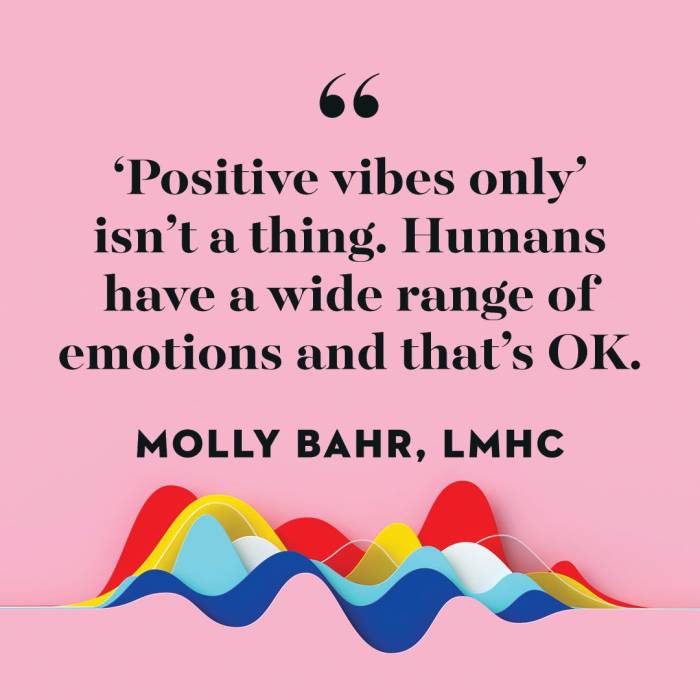
Raising awareness about mental health is crucial for fostering understanding and reducing stigma in communities. By promoting mental health awareness, we create an environment that supports individuals struggling with mental health issues and encourages open conversations. This awareness not only helps those affected but also empowers friends, family, and community members to seek help and support.The impact of mental health on overall well-being cannot be overstated.
Mental health influences our thoughts, emotions, and behaviors, playing a significant role in how we handle stress, relate to others, and make decisions. A healthy mind contributes to a productive life, while mental health issues can hinder personal and professional growth. Mental health challenges are prevalent, affecting millions worldwide and often going untreated.
Prevalence of Mental Health Issues
Mental health issues are widespread, with significant statistics underscoring their impact. According to the World Health Organization (WHO), approximately 1 in 4 people will experience a mental health condition at some point in their lives. This statistic highlights the urgency for mental health awareness and support in communities. The following statistics provide further insight into the prevalence of mental health disorders:
- Globally, 450 million people are estimated to suffer from mental health conditions, making mental disorders one of the leading causes of ill health and disability.
- In the United States, the National Institute of Mental Health reports that over 19% of adults experienced a mental illness in 2020, equating to about 51.5 million individuals.
- According to the WHO, depression is the leading cause of disability worldwide, affecting more than 264 million people.
- Suicide, often a result of untreated mental health issues, is the second leading cause of death among individuals aged 15 to 29 years globally.
These statistics emphasize the need for proactive mental health awareness campaigns. Such initiatives can foster an understanding of mental health, encourage individuals to seek help, and ultimately contribute to healthier communities.
“Mental health is not a destination, but a process. It’s about how you drive, not where you’re going.”
Types of Mental Health Awareness Campaigns
Mental health awareness campaigns play a vital role in educating the public, reducing stigma, and promoting mental well-being. These campaigns can take various forms, each with its unique approach and target audience. Understanding the different types of campaigns helps in recognizing their effectiveness and impact on society.One prevalent type of mental health awareness campaign is those organized by non-profit organizations.
These campaigns often focus on specific mental health conditions, such as depression or anxiety, and work to provide resources and support for individuals and families affected by these issues. Other campaigns may be government-led initiatives aimed at increasing public knowledge and encouraging individuals to seek help. There are also grassroots movements that leverage social media to reach broader audiences through personal stories and shared experiences.
Successful Examples of Global Mental Health Campaigns
Several mental health awareness campaigns have achieved significant success around the world, demonstrating effective strategies and community engagement. Here are a few noteworthy examples:
- Time to Change (UK): This campaign was launched to tackle the stigma surrounding mental health in the UK. It combines media visibility, public events, and personal stories to foster open conversations about mental health. The campaign has successfully engaged many individuals to share their experiences, leading to a notable change in public attitudes.
- Bell Let’s Talk (Canada): This initiative encourages Canadians to talk openly about mental health and has garnered substantial public support through social media. For every tweet, text, or call made on Bell Let’s Talk Day, the company donates money to mental health programs. This campaign has raised millions of dollars while promoting awareness and conversation.
- Heads Together (UK): The Duke and Duchess of Cambridge launched this campaign to reduce stigma and change the conversation around mental health. Utilizing high-profile endorsements and a variety of media formats, it has successfully encouraged people to seek help and talk about their mental health issues.
- World Mental Health Day (Global): Observed on October 10th each year, this campaign promotes global awareness and advocacy for mental health issues. Events are organized worldwide to discuss key topics related to mental health, encouraging individuals and organizations to focus on mental well-being.
Methods Used in Campaigns to Raise Awareness
Successful mental health campaigns employ a variety of methods to effectively raise awareness and engage the public. These methods not only inform but also inspire action and foster community support. Here are some commonly used strategies:
- Social Media Engagement: Campaigns utilize platforms like Facebook, Twitter, and Instagram to reach younger audiences. By sharing compelling stories, infographics, and videos, they encourage individuals to engage with content and share their journeys.
- Public Events and Workshops: Many campaigns host events to provide educational resources and facilitate discussions. These events often include guest speakers, mental health professionals, and interactive activities designed to foster understanding and support.
- Collaborations with Influencers: Partnering with public figures who advocate for mental health can effectively amplify campaign messages. Their reach can help destigmatize mental health issues and encourage followers to engage with the topic.
- Visual Storytelling: Campaigns often use powerful imagery coupled with personal narratives to evoke emotional responses. This strategy helps humanize mental health issues, making them relatable and prompting individuals to seek help or support others.
- Educational Materials: Distributing brochures, fact sheets, and digital resources ensures that accurate information about mental health is accessible. These materials can provide individuals with knowledge about symptoms, treatments, and available support services.
Target Audiences for Campaigns
Mental health awareness campaigns aim to reach diverse groups to effectively promote understanding and support for mental health issues. Identifying and tailoring messages for different demographics is crucial in ensuring that these campaigns resonate with each audience. The success of a campaign often hinges on its ability to connect with specific groups and address their unique challenges and needs.Various demographics should be specifically targeted to maximize the impact of mental health campaigns.
These include youth, veterans, the elderly, and underrepresented communities, each possessing distinct experiences and challenges related to mental health. Recognizing these differences allows campaigns to tailor their messaging and outreach efforts effectively.
Youth Engagement Strategies
The youth demographic is particularly vulnerable to mental health issues, making it essential for campaigns to resonate with their experiences and social contexts. Engaging young people requires understanding their environments, such as schools and social media platforms, where they spend much of their time. To effectively reach youth, campaigns can utilize the following strategies:
- Collaborations with schools and colleges to host workshops and seminars.
- Creating user-friendly social media content, including relatable memes and short videos that promote mental well-being.
- Involving youth ambassadors who can share personal stories and experiences, making the message more relatable.
Veteran-Focused Initiatives
Veterans often face unique mental health challenges stemming from trauma and reintegration into civilian life. Tailoring campaigns for this group requires a deep understanding of their experiences and the terminology that resonates with them.Successful veteran-focused initiatives might include:
- Outreach through veteran organizations and support groups where trust is already established.
- Utilizing testimonials from fellow veterans to build credibility and encourage openness about mental health issues.
- Offering resources and information on coping mechanisms and support services that cater specifically to veterans’ needs.
Reaching Underrepresented Communities
Underrepresented communities often face systemic barriers that exacerbate mental health issues, making targeted campaigns essential. Tailoring strategies for these groups can ensure that mental health resources are accessible and culturally sensitive.To effectively reach these communities, campaigns can implement the following strategies:
- Partnering with local leaders and organizations that have established trust within the community.
- Conducting outreach in community hubs such as cultural centers, places of worship, and local events to foster engagement.
- Developing multilingual resources to ensure clear communication across language barriers, enhancing understanding and accessibility.
“Understanding the unique needs of each audience ensures that mental health campaigns are not only informative but also transformative.”
Techniques for Effective Messaging
Creating effective messaging in mental health awareness campaigns is essential for engaging the audience and promoting positive change. The way messages are crafted can significantly influence their reception, understanding, and impact. By employing thoughtful strategies, campaigns can foster a deeper connection with diverse audiences and pave the way for improved mental health conversations.To resonate with a wide range of audiences, it is critical to utilize relatable language and visual elements that enhance the overall message.
This combination ensures that the communication is not only clear but also emotionally engaging, helping to break down stigma and encourage individuals to seek help or support.
Messaging Strategies for Diverse Audiences
Tailoring messaging strategies to cater to various demographics is vital for maximizing outreach. Understanding the unique characteristics of target audiences allows campaigns to craft messages that resonate on a personal level. Here are key considerations for effective messaging:
- Know Your Audience: Research the demographics, interests, and concerns of different groups. This could include age, cultural background, socioeconomic status, and more. For instance, messages aimed at teenagers may focus on social media impacts, while those for older adults might address loneliness or isolation.
- Use Relatable Language: Employing everyday language that reflects the audience’s experiences can significantly enhance relatability. Avoiding jargon and clinical terms helps to ensure that the message is accessible to everyone. For example, instead of saying “depression,” using phrases like “feeling down” can make it more relatable.
- Incorporate Personal Stories: Sharing real-life stories and testimonials can humanize mental health issues and foster empathy. People are often more moved by personal experiences than statistics alone, making narrative-driven content highly effective.
- Utilize Humor Thoughtfully: Humor can be a powerful tool to break down barriers, but it must be used sensitively. Light-hearted messaging around serious subjects can draw attention, provided it is respectful and does not trivialize the issues at hand.
Importance of Relatable Language
Using language that resonates with the audience is crucial for effective communication in mental health campaigns. When the language is relatable, it fosters a sense of understanding and connection. Here’s why it’s important:
- Encourages Engagement: Messages that reflect the audience’s everyday experiences are more likely to capture attention and encourage engagement. It invites individuals to reflect on their own mental health and that of others.
- Reduces Stigma: Relatable language helps dismantle the stigma associated with mental health. When people can see themselves in the messaging, they are more likely to discuss their own struggles, seek help, and support others.
- Increases Accessibility: Clear and simple language makes information about mental health more accessible to everyone, including those who may not have prior knowledge of mental health issues.
Visual Elements in Messaging
Visual elements play a pivotal role in enhancing the effectiveness of mental health messages. They work to complement and reinforce the textual content in meaningful ways. Key visual strategies include:
- Use of Colors: Different colors evoke different emotions. For instance, calming colors like blue and green can convey serenity and hope, while vibrant colors like orange or yellow can promote positivity and energy.
- Images that Resonate: Incorporating images that reflect the diversity of the audience can create a sense of inclusion. Visuals that depict real people and relatable situations can strengthen the emotional connection to the message.
- Infographics and Visual Data: Infographics are effective in presenting statistics and information in a digestible format. They can simplify complex data and highlight key points, making the information easier to understand.
- Symbolism and Metaphors: Utilizing symbols or metaphors in visuals can capture complex ideas succinctly. For example, using a broken chain to symbolize breaking free from stigma can be a powerful visual representation.
Role of Social Media in Campaigns

Source: camentalhealth.com
Social media has become a powerful tool in disseminating mental health awareness messages, reaching diverse audiences with speed and effectiveness. Platforms such as Facebook, Twitter, Instagram, and TikTok provide unique opportunities to engage users, share information, and foster supportive communities around mental health issues. The digital landscape allows for creativity and immediacy in addressing mental health topics, making it essential for modern campaigns.Effective social media campaigns utilize various strategies to amplify mental health messages and create a lasting impact.
Notable examples can illustrate how well-executed campaigns have resonated with audiences.
Amplification of Mental Health Messages
Social media platforms are instrumental in increasing the visibility of mental health messages through various methods. By leveraging the reach and engagement potential of these platforms, campaigns can connect with a broader audience and promote dialogue around mental health. Key methods include:
- Hashtag Campaigns: Creating specific hashtags such as #MentalHealthAwareness or #EndTheStigma encourages users to engage and share their stories, drawing attention to mental health issues.
- Influencer Partnerships: Collaborating with mental health advocates and influencers helps reach diverse groups. Their authentic voices can normalize conversations about mental health.
- Visual Content: Utilizing infographics, videos, and memes simplifies complex mental health concepts, making them more digestible and shareable.
Successful Social Media Campaigns
Several social media campaigns have successfully raised awareness and sparked conversations around mental health. For example:
- #BellLetsTalk: This campaign encourages people to talk about mental health. For every tweet, retweet, or share, Bell Canada donates to mental health initiatives, significantly increasing funding for mental health services.
- #StopTheStigma: Launched by various organizations, this campaign focuses on breaking down the stigma associated with mental health, using personal storytelling to foster a sense of community and support.
- #MyStory: This initiative invites individuals to share their mental health journeys, showcasing the importance of vulnerability and connection among peers.
Engaging Audiences through Social Media Interactions, Mental Health Awareness Campaigns
Engagement is crucial in keeping mental health conversations alive on social media. Creating interactive content encourages audiences to participate actively. Effective methods for audience engagement include:
- Live Q&A Sessions: Hosting live sessions with mental health professionals allows users to ask questions and receive real-time support and information.
- Polls and Surveys: Utilizing polls can help gauge public opinion on mental health topics and encourage users to share their views, fostering a sense of community.
- Challenges and Initiatives: Initiating challenges, such as sharing daily affirmations or coping strategies, motivates participation and spreads positivity.
Social media serves as a bridge for people to connect over shared mental health experiences, breaking down barriers and fostering understanding.
Collaborations and Partnerships: Mental Health Awareness Campaigns
Collaborating with various entities is crucial for the success of mental health awareness campaigns. These partnerships can amplify messages, extend reach, and generate impact through shared resources and expertise. Building effective collaborations can foster a community-driven approach that resonates with diverse audiences.Identifying the right partners can significantly enhance the effectiveness of mental health campaigns. Potential partners include:
- Non-Governmental Organizations (NGOs): Organizations focused on mental health, social services, or youth empowerment can provide valuable insights and support.
- Schools and Educational Institutions: Collaborating with schools helps reach students and parents, promoting mental wellness early in life.
- Healthcare Providers: Hospitals and clinics can support campaigns with access to professionals and facilities.
- Corporate Entities: Businesses can sponsor initiatives or provide employee wellness programs that align with campaign goals.
- Community Centers: Local centers can be instrumental in organizing events and engaging residents.
Working alongside mental health professionals offers numerous benefits. These experts can provide accurate information, enhance credibility, and help tailor messages to effectively reach target audiences. Their involvement ensures that campaigns are grounded in best practices and current research, ultimately improving community outcomes. Additionally, professionals can assist in training volunteers and facilitators, ensuring messages are communicated sensitively and effectively.Developing effective partnerships requires a structured framework.
The following steps can help guide this process:
- Identify Objectives: Clearly define what the partnership aims to achieve and how it aligns with campaign goals.
- Research Potential Partners: Look for organizations that share similar values and have a proven track record in mental health advocacy.
- Initiate Contact: Reach out to potential partners with a compelling proposal that Artikels mutual benefits and expected outcomes.
- Establish Roles: Clearly Artikel the responsibilities of each partner to avoid confusion and ensure accountability.
- Monitor Progress: Regularly assess the partnership’s effectiveness and make adjustments as necessary to meet campaign goals.
“Collaborative efforts can create a ripple effect, amplifying mental health awareness and breaking down stigma.”
Measuring Campaign Success
To understand the impact of mental health awareness campaigns, it’s crucial to evaluate their effectiveness through various metrics. Measuring success allows organizations to refine their strategies, ensuring that future campaigns resonate more deeply with the target audience. By analyzing data, campaign managers can identify strengths and weaknesses, which aids in maximizing outreach and engagement for mental health causes.Metrics play a vital role in assessing the effectiveness of awareness campaigns.
They provide insights into audience engagement, message penetration, and overall campaign performance. Commonly used metrics include reach, impressions, engagement rates, and conversion rates. Each of these metrics serves a distinct purpose in evaluating how well the campaign has performed against its objectives.
Key Metrics for Evaluation
To effectively measure the success of a mental health awareness campaign, specific metrics should be tracked. These metrics not only highlight the campaign’s reach but also indicate areas for improvement.
- Reach: This metric measures how many people have been exposed to the campaign. It can be quantified through social media analytics, website traffic, and event attendance.
- Impressions: Impressions track the total number of times content is displayed, whether it was clicked or not. This can be calculated through social media platforms and digital ad performance metrics.
- Engagement Rates: Engagement includes likes, shares, comments, and retweets. Higher engagement indicates that the audience is connecting with the content on a personal level.
- Conversion Rates: This metric evaluates the percentage of people taking a desired action, such as signing a pledge, downloading a resource, or attending a workshop, directly stemming from the campaign.
Tools and Methods for Tracking Impact
Utilizing various tools and methods is essential for effectively tracking the impact of awareness campaigns. These tools equip campaign managers with the necessary data to assess performance accurately.
- Google Analytics: This powerful tool tracks website traffic, user behavior, and conversion metrics, providing insights into how visitors engage with campaign-related content.
- Social Media Analytics Tools: Platforms like Facebook Insights and Twitter Analytics offer data on engagement, reach, and audience demographics, helping to evaluate how well messages resonate on social media.
- Surveys and Feedback Forms: Collecting direct feedback from participants through surveys can provide qualitative data on campaign effectiveness and areas for improvement. These tools can be distributed both online and offline.
- Media Monitoring Software: Tools like Hootsuite and Mention can track media coverage and public sentiment, allowing organizations to understand how their message is being received across different platforms.
Feedback Mechanisms for Improvement
Incorporating feedback mechanisms is critical for enhancing future campaigns. Gathering insights from participants and stakeholders can reveal valuable information about what worked and what didn’t.
- Post-Campaign Surveys: Conducting surveys after the campaign allows organizations to gather opinions and suggestions from the audience. Questions can focus on message clarity, relatability, and overall campaign impact.
- Focus Groups: Organizing focus groups with diverse participants can yield in-depth discussions about the campaign’s effectiveness and emotional resonance, providing qualitative insights that numbers alone may not capture.
- Social Listening: Monitoring social media conversations can help gauge public sentiment and identify areas needing attention. This can also highlight key topics or concerns that the audience wishes to discuss further.
- Continuous Improvement Plans: Establishing a formal process for reviewing feedback and implementing changes is essential for ongoing campaign success. This includes setting specific goals for future initiatives based on past performance.
Innovations in Mental Health Campaigns
Recent mental health campaigns have seen a wave of innovation that leverages technology and creative outreach strategies to engage more people effectively. These campaigns aim to raise awareness and reduce the stigma surrounding mental health issues by employing unique methods that resonate with diverse audiences. The integration of modern technology into these campaigns has opened new pathways for communication and support, tailoring messages to fit the interests and needs of different communities.The role of technology in mental health campaigns has transformed traditional methods of outreach, making them more interactive and engaging.
Digital platforms provide a unique opportunity to reach a broader audience, while also allowing for personalized content that can cater to specific demographics. Here are some innovative approaches that have gained traction:
Creative Outreach Strategies and Technological Integration
The following examples highlight how recent campaigns have successfully utilized innovative strategies to promote mental health awareness:
- Virtual Reality Experiences: Campaigns have incorporated virtual reality (VR) to immerse individuals in scenarios that depict mental health challenges. This approach allows participants to experience the emotions and situations associated with mental health issues, fostering empathy and understanding.
- Interactive Mobile Applications: Numerous mental health apps have emerged, offering users tools for mindfulness, stress reduction, and emotional tracking. For instance, apps like Headspace and Calm not only provide resources but also engage users with gamified experiences and community support features.
- Online Support Groups and Webinars: Mental health organizations have shifted to virtual platforms, hosting webinars and support groups that allow individuals to share experiences and learn from professionals without geographical barriers. This has been especially beneficial during the COVID-19 pandemic, where physical gatherings were limited.
- Social Media Challenges: Campaigns such as #MentalHealthAwarenessMonth encourage users to share personal stories and engage in discussions through creative challenges on platforms like Instagram and TikTok. These challenges promote community involvement and reduce stigma by normalizing conversations around mental health.
- Augmented Reality Campaigns: Some campaigns use augmented reality (AR) to create interactive experiences in public spaces. For example, users can scan posters with their smartphones to access mental health resources, share their stories, or participate in quizzes that educate them on mental health topics.
“Innovative mental health campaigns are not just about spreading awareness; they are about creating meaningful connections and fostering a supportive environment for individuals to discuss their mental health.”
Through the use of advanced technologies and creative strategies, mental health campaigns have evolved into powerful tools for change. They not only inform and educate but also create a supportive community that encourages open dialogue about mental health issues, making a significant impact on society’s understanding and acceptance of mental health challenges.
Challenges in Promoting Mental Health Awareness
Promoting mental health awareness is a crucial endeavor, yet it comes with its own set of challenges. Understanding these obstacles is essential for crafting effective campaigns that resonate with diverse audiences. The complexities surrounding mental health often lead to misunderstandings and hinder outreach efforts, making awareness more challenging than it should be.One of the primary obstacles faced in mental health campaigns is the pervasive stigma associated with mental health issues.
Many individuals are reluctant to discuss their struggles or seek help due to fear of judgment or discrimination. This stigma can manifest in various forms, including societal misconceptions regarding mental illness and the portrayal of these issues in media. Additionally, funding and resource limitations often impede the development and execution of comprehensive awareness programs.
Societal Stigmas Hindering Awareness Efforts
Societal stigmas create significant barriers to mental health awareness and education. These stigmas can lead to a lack of understanding about mental health conditions, causing individuals to feel isolated and ashamed. Some common societal perceptions include:
- Mental health issues are seen as a sign of weakness or personal failure.
- Individuals with mental illnesses are often viewed as dangerous or unpredictable.
- There is a widespread belief that mental health problems are not “real” medical issues.
Addressing these stigmas is vital for promoting open conversations about mental health and encouraging individuals to seek help. It is crucial to shift public perception and foster an environment where mental health is treated with the same importance as physical health.
Solutions to Overcome Challenges and Enhance Outreach
To address the challenges in promoting mental health awareness, several strategies can be employed to overcome societal stigmas and improve outreach efforts. Here are some effective solutions that can foster a more supportive environment for mental health discussions:
- Education and Training: Implement educational programs in schools, workplaces, and communities to provide accurate information about mental health and dispel myths.
- Personal Stories: Amplify the voices of individuals who have experienced mental health challenges. Sharing personal stories can humanize these issues and reduce stigma.
- Collaborative Efforts: Engage community leaders, influencers, and organizations in partnerships that promote mental health awareness as a collective responsibility.
- Positive Messaging: Use empowering language in campaigns that focus on recovery and hope rather than portraying mental illness solely in a negative light.
- Accessible Resources: Ensure that information about mental health services and support is readily available and easy to understand for all demographics.
By implementing these strategies, mental health awareness campaigns can effectively combat stigma and enhance their outreach, ultimately leading to a more informed and compassionate society.
Future Trends in Mental Health Awareness
As we look ahead, the landscape of mental health awareness campaigns is poised for significant transformation. Increasingly, the integration of emerging technologies and shifting societal perceptions will shape how these campaigns are developed and delivered. The focus will be on creating more personalized, accessible, and impactful strategies that resonate with diverse audiences.The potential impact of emerging technologies on mental health awareness efforts is substantial.
Innovations such as artificial intelligence (AI), virtual reality (VR), and telehealth solutions are set to revolutionize outreach and engagement strategies. These technologies can facilitate more interactive and immersive experiences, breaking down barriers to understanding and empathy related to mental health issues.
Emerging Technologies in Mental Health Awareness
The incorporation of technology into mental health campaigns is not just a trend; it’s a necessity that addresses modern challenges. Various technologies are playing a crucial role in enhancing awareness and support.
- Artificial Intelligence: AI-powered chatbots can provide immediate support and resources for individuals seeking help. These bots can engage users in natural conversations, making mental health resources more accessible.
- Virtual Reality: VR experiences can create immersive environments that educate users about mental health conditions. For instance, simulations can help others understand the experiences of those with anxiety or depression, fostering empathy.
- Telehealth: The rise of telehealth services enables individuals to access mental health professionals from the comfort of their homes, removing geographical and logistical barriers to care.
- Mobile Applications: Mental health apps offer guided exercises, mood tracking, and educational resources, empowering users to manage their mental health proactively.
Public perceptions of mental health are evolving rapidly, influenced by increased awareness and advocacy. More individuals are openly discussing mental health issues, reducing stigma and fostering a culture of acceptance. This shift is partly driven by high-profile advocacy from celebrities and public figures who share their personal experiences, making mental health a relatable topic for many.
Evolving Public Perceptions of Mental Health
Understanding the changing perceptions regarding mental health is critical for future campaigns. The transition from stigma to acceptance is reflected in various aspects of society, including workplaces, schools, and communities.
- Increased Open Dialogue: Conversations about mental health are becoming common in various social settings, making it easier for individuals to seek help and share their experiences.
- Workplace Initiatives: Companies are increasingly recognizing the importance of mental health, implementing programs that support employee well-being and create a supportive work environment.
- Social Media Influence: Platforms like Instagram and TikTok are being used to share personal stories, coping strategies, and educational content, further normalizing discussions around mental health.
- School Programs: Educational institutions are incorporating mental health education into their curricula, teaching students about mental wellness and resources available to them.
The integration of technology and the evolution of public perceptions will define the future of mental health awareness campaigns. By embracing these trends, stakeholders can create more effective and meaningful outreach efforts that resonate with individuals across various demographics.
Ultimate Conclusion

Source: vecteezy.com
In conclusion, the journey of Mental Health Awareness Campaigns is one of resilience, creativity, and hope. As we look to the future, it’s crucial to continue building on the successes and lessons learned from past initiatives, addressing challenges head-on and embracing new technologies. By fostering inclusive dialogues and collaborative efforts, we can further enhance our understanding of mental health, ultimately creating a supportive environment where everyone feels valued and empowered.
Answers to Common Questions
What are Mental Health Awareness Campaigns?
They are initiatives aimed at educating the public about mental health issues and reducing stigma.
How can I get involved in a mental health campaign?
You can volunteer, donate, or participate in events organized by mental health organizations.
Who can benefit from Mental Health Awareness Campaigns?
Individuals, families, and communities can all benefit from increased understanding and support.
What role does social media play in these campaigns?
Social media amplifies messages, fosters community engagement, and spreads awareness rapidly.
How do we measure the success of a mental health campaign?
Success can be evaluated through engagement metrics, feedback surveys, and changes in public perception.
