Urbanization Challenges In Megacities sets the stage for this enthralling narrative, offering readers a glimpse into a story that is rich in detail and brimming with originality from the outset. As urban populations surge, megacities face a unique set of challenges that not only affect infrastructure and housing but also impact the environment and social fabric of urban life. With rapid urbanization comes the pressing need to understand the complexities of living in densely populated areas and to explore innovative solutions to these multifaceted issues.
Overview of Urbanization in Megacities
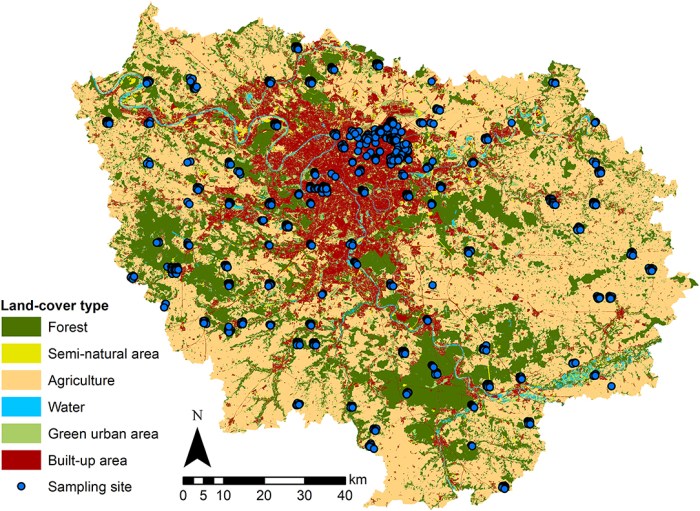
Source: frontiersin.org
Urbanization refers to the increasing population concentration in urban areas, transforming rural landscapes into bustling cities. This phenomenon is particularly significant in megacities, where populations exceed ten million residents. Urbanization in these large urban centers has profound implications for economic development, social dynamics, and environmental sustainability.Historically, urbanization has been a gradual process influenced by industrialization, migration, and economic opportunities. The late 19th and early 20th centuries marked a significant turning point with the rise of industrial economies, prompting millions to migrate from rural areas to cities in search of work.
This trend accelerated post-World War II, particularly in developing nations, leading to the formation of megacities. By 2020, the United Nations reported that there were 33 megacities worldwide, with projections indicating that this number will increase as urban areas continue to expand.
Key Statistics on Megacities and Urban Population Growth
Understanding the scale of urbanization in megacities is crucial for grasping the broader implications of this trend. Here are some notable statistics that highlight the rapid growth and challenges faced by megacities:
- According to the World Population Prospects, the global urban population is expected to reach approximately 68% by 2050, with cities absorbing the majority of this growth.
- As of 2021, Tokyo remains the world’s most populous city, with over 37 million residents, followed closely by cities like Delhi and Shanghai.
- UN-Habitat estimates that by 2030, there will be 43 megacities, with a combined population of over 1.5 billion people.
- Over 80% of the global GDP is generated in urban areas, demonstrating the economic power of megacities.
- Urban areas are responsible for 70% of global greenhouse gas emissions, underlining the environmental impact of urbanization.
“Urbanization is not merely a shift in population; it represents a fundamental transformation of society and a challenge to existing urban infrastructures.”
The rapid urban population growth highlights significant challenges such as housing shortages, traffic congestion, inadequate public services, and environmental degradation. Addressing these issues requires innovative urban planning strategies and sustainable policies tailored to the unique needs of megacities.
Infrastructure Challenges
The rapid growth of megacities presents significant infrastructure challenges that can hinder their development and functionality. As urban populations swell, the demand for robust and efficient infrastructure escalates, often outpacing the ability of city planners and governments to provide adequate solutions. In many cases, the existing infrastructure is insufficient to meet the needs of the residents, leading to a variety of systemic issues.Assessing the current state of infrastructure reveals significant gaps in areas such as transportation, sanitation, and utilities.
Many megacities struggle with aging infrastructure, which can result in frequent breakdowns, inefficiencies, and ultimately, a diminished quality of life for their inhabitants. A prime example of this issue is the inadequacy of transportation systems, which can severely impact urban mobility and economic activity.
Impact of Inadequate Transportation Systems, Urbanization Challenges In Megacities
Transportation systems in megacities are crucial for facilitating the movement of people and goods. However, inadequate systems often lead to congestion, increased travel times, and environmental pollution. In many cases, the lack of investment in public transit or road networks results in an overreliance on personal vehicles, exacerbating traffic issues and air quality concerns.To better understand the varied infrastructure issues across different megacities, the following table highlights specific examples:
| Megacity | Infrastructure Issue | Impact |
|---|---|---|
| Tokyo | Overcrowded rail systems | Delays and increased commuting stress |
| Mumbai | Poor road conditions | Traffic congestion and accidents |
| Lagos | Inadequate public transport | High reliance on informal transport modes |
| São Paulo | Traffic congestion | Economic losses and increased pollution |
| Beijing | Limited metro expansion | Crowded trains and extended travel times |
Addressing these infrastructure challenges is imperative for enhancing urban mobility and ensuring sustainable growth in megacities. As cities continue to expand, strategic investments in infrastructure will play a vital role in mitigating these issues and improving the overall quality of life for urban dwellers.
Environmental Concerns
Urbanization in megacities brings significant environmental challenges that affect local ecosystems, biodiversity, and overall sustainability. As cities grow to accommodate increasing populations, the consequences of urban expansion become increasingly pronounced, leading to a variety of environmental issues that demand urgent attention and innovative solutions.
Effects of Urbanization on Local Ecosystems and Biodiversity
Urbanization disrupts local ecosystems through habitat destruction, pollution, and the introduction of invasive species. As natural landscapes are replaced with concrete structures, the flora and fauna that once thrived in these areas face declining populations or extinction. For instance, the rapid growth of cities like Jakarta has led to significant loss of wetlands, impacting local wildlife and diminishing the natural flood control that these ecosystems provide.
Notably, urban sprawl often leads to fragmented habitats, making it difficult for species to migrate or reproduce. This fragmentation not only threatens biodiversity but also weakens ecosystem services crucial for human survival, such as clean air and water.
Challenges of Waste Management in Densely Populated Urban Areas
Waste management is one of the most pressing challenges in megacities, where the sheer volume of waste produced can overwhelm existing infrastructure. In cities like Mumbai, where over 20,000 tons of waste are generated daily, inadequate waste collection and disposal systems lead to significant public health risks and environmental degradation. The accumulation of trash not only pollutes waterways but also contributes to greenhouse gas emissions as organic waste decomposes.
Furthermore, improper waste disposal results in the proliferation of pests and disease vectors, posing health threats to urban residents. The lack of recycling and composting facilities exacerbates these issues, highlighting the need for improved waste management strategies.
Methods for Sustainable Urban Development to Mitigate Environmental Impact
To counteract the environmental impact of urbanization, cities are increasingly adopting sustainable development practices. These practices include green building initiatives, urban reforestation, and the promotion of public transportation.
- Green Building Initiatives: Implementing energy-efficient designs and materials in new constructions helps reduce carbon footprints and lowers energy consumption.
- Urban Reforestation: Planting trees and creating green spaces within urban areas not only improves air quality but also enhances biodiversity by providing habitats for various species.
- Promotion of Public Transportation: Expanding public transit systems encourages people to use eco-friendly travel options, leading to lower vehicle emissions and reduced traffic congestion.
- Sustainable Waste Management Practices: Implementing comprehensive recycling programs and promoting waste segregation at the source can significantly reduce landfill contributions and promote a circular economy.
Investing in such approaches not only helps mitigate environmental challenges but also enhances the quality of life for urban residents, making cities more resilient and sustainable for future generations.
Housing and Living Conditions: Urbanization Challenges In Megacities
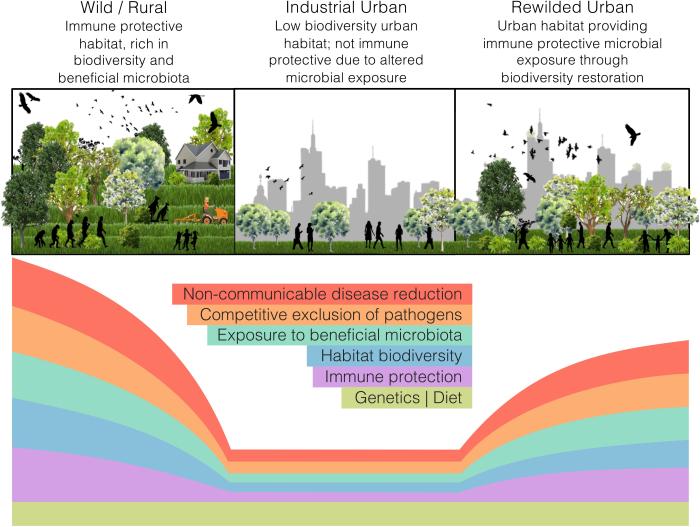
Source: frontiersin.org
Rapid urbanization in megacities has led to significant housing challenges, which directly affect the living conditions of millions of residents. As populations swell, the demand for affordable and adequate housing often surpasses the available supply, leading to various socio-economic issues. This struggle for housing not only creates physical shortages but also exacerbates inequalities within urban settings.The phenomenon of informal settlements, often referred to as slums, is a prevalent issue in megacities.
These areas typically arise when housing shortages force individuals and families to build homes without official approval or regulations. Informal settlements can significantly impact urban planning as they often lack essential services such as clean water, sanitation, and electricity, thus posing challenges in public health and safety.
Housing Shortages and Informal Settlements
The housing shortages in megacities lead to a range of consequences for residents, including overcrowding, inadequate living conditions, and increased rents. Families often find themselves living in cramped quarters or in informal settlements that lack basic infrastructure. The implications of these challenges extend beyond the individual household, affecting community cohesion and overall urban stability.To address the pressing issue of affordable housing, various initiatives have been launched globally.
These initiatives are designed to improve the availability and quality of housing for low-income populations. Here are some noteworthy efforts:
- Government Subsidies: Programs that provide financial assistance to low-income families for housing costs, enabling them to secure better living conditions.
- Public-Private Partnerships: Collaborative efforts between government and private developers aimed at creating affordable housing projects that meet the needs of the city’s vulnerable populations.
- Community Land Trusts: Non-profit organizations that acquire land to develop affordable housing, ensuring long-term affordability and community control.
- Inclusionary Zoning: Policies that require a percentage of new housing developments to be set aside for affordable housing, promoting mixed-income communities.
- Upgrading Informal Settlements: Initiatives focused on improving existing informal settlements by providing basic services, infrastructure, and legal recognition to residents.
These initiatives illustrate the concerted efforts being made to tackle the housing crisis in megacities. However, it remains a complex issue that requires continued attention and innovative solutions to create sustainable living conditions for all urban residents.
Social Issues and Inequality
Urbanization in megacities brings about significant social challenges, particularly for marginalized communities. These often overlooked groups face immense struggles that stem from systemic inequality, access to resources, and the rapid pace of urban development. Addressing these social issues is critical for fostering inclusive urban environments where all residents can thrive.Marginalized communities in megacities frequently encounter barriers to education, employment, and healthcare.
The inequality is not merely economic but extends to social capital, where groups are often disenfranchised from decision-making processes that affect their lives. Furthermore, the rise of informal settlements can lead to social fragmentation and increased vulnerability to crime and violence.
Challenges Faced by Marginalized Communities
The social challenges faced by marginalized communities in megacities can be categorized into several key issues, each contributing to systemic inequality:
- Limited Access to Education: Many children in marginalized communities do not have access to quality education, which hinders their future opportunities for employment and upward mobility.
- Job Insecurity: Employment opportunities for these communities are often limited to informal or low-paying jobs, perpetuating a cycle of poverty.
- Healthcare Disparities: Marginalized groups often face significant barriers to accessing healthcare services, leading to poorer health outcomes and higher rates of chronic diseases.
- Social Isolation: Many individuals in these communities lack social networks that could provide support, information, and opportunities for advancement.
- Housing Insecurity: Affordable housing is scarce, forcing many into informal settlements that are at risk of eviction and lack basic services.
Strategies for Social Inclusion and Equity
To foster social inclusion and equity in urban areas, a multifaceted approach is required. Here are a few effective strategies that can promote fairness and accessibility:
- Community Engagement: Actively involving marginalized communities in urban planning and policy-making ensures their voices are heard and considered.
- Education and Skill Development Programs: Offering targeted educational initiatives and vocational training can empower individuals, enhancing their employability.
- Improving Healthcare Accessibility: Establishing mobile health clinics and subsidizing healthcare services can help bridge the gap in health disparities.
- Affordable Housing Initiatives: Governments and NGOs can collaborate to create affordable housing projects that provide secure and sustainable living conditions.
- Strengthening Social Networks: Programs that foster community ties can help build support systems for individuals facing challenges.
Public Health Issues Exacerbated by Urbanization
Urbanization often exacerbates public health issues due to overcrowding, pollution, and insufficient infrastructure. The following points highlight critical health challenges faced by urban populations:
- Air Quality Deterioration: High levels of pollution from vehicles and industrial activities contribute to respiratory diseases and other health problems.
- Access to Clean Water: Rapid urban growth can overwhelm existing water systems, leading to inadequate access to clean drinking water, which increases the risk of waterborne diseases.
- Increased Mental Health Issues: The stress of urban living, combined with social isolation and economic hardships, can lead to heightened rates of mental health disorders.
- Infectious Disease Spread: Overcrowded living conditions and inadequate sanitation facilities can facilitate the rapid spread of infectious diseases.
- Chronic Health Conditions: Lifestyles associated with urban living, such as sedentary behavior and poor diet, contribute to the rise of chronic health issues like obesity and diabetes.
Economic Challenges

Source: unsplash.com
Urbanization in megacities brings a complex array of economic challenges that can significantly impact job creation and economic opportunities. The rapid influx of people into urban areas often outpaces the availability of employment, leading to high levels of competition for limited jobs. This situation is particularly pronounced in developing megacities, where formal job markets struggle to absorb the growing population.
The informal economy emerges as a critical component of these urban landscapes, providing essential services and employment options for many individuals who may not have access to formal job opportunities. This sector often thrives due to the immediate need for income, filling gaps left by formal employment avenues.
Impact on Job Creation and Economic Opportunities
The relationship between urbanization and job creation is multifaceted. Urban areas are typically seen as economic engines, but the sheer volume of people can create significant strain on the labor market. Key factors include:
- Job Market Saturation: As more individuals migrate to urban centers, the saturation of the job market can lead to increased unemployment rates, particularly among unskilled workers.
- Underemployment: Many workers find themselves in jobs that do not utilize their skills or provide adequate compensation, leading to a cycle of poverty.
- Economic Polarization: The gap between high-income and low-income earners can widen, resulting in social tensions and economic disparities.
Role of the Informal Economy
The informal economy plays a vital role in providing economic opportunities in megacities. It often encompasses small-scale vendors, informal workers, and unregistered businesses that cater to local needs. Characteristics of the informal economy include:
- Flexibility: Informal jobs offer flexibility for workers who may need to balance multiple responsibilities, such as family care or education.
- Accessibility: These jobs often require minimal qualifications, making them accessible to a broader range of individuals.
- Contribution to Local Economies: The informal sector contributes significantly to local economies, often accounting for a large percentage of urban employment.
Comparative Economic Growth Rates in Megacities
To understand the economic challenges in megacities, examining their growth rates can provide valuable insights. Below is a comparison of economic growth rates for select megacities, illustrating the varying experiences of urban centers worldwide:
| Megacity | Economic Growth Rate (2022) |
|---|---|
| Tokyo, Japan | 1.2% |
| Delhi, India | 6.5% |
| São Paulo, Brazil | 1.0% |
| Shanghai, China | 5.2% |
| Lagos, Nigeria | 7.0% |
This table highlights the disparity in growth rates, reflecting the diverse economic contexts and challenges faced by different megacities. The contrast in growth rates underscores the need for tailored economic strategies to harness the potential of urbanization while addressing the associated challenges.
Governance and Policy Responses
Urbanization in megacities is a complex and multifaceted challenge that requires effective governance and innovative policy responses. Local governments play a crucial role in managing the myriad issues that arise from rapid urban growth, ensuring that the needs of diverse populations are addressed while promoting sustainable development. Their proactive strategies can significantly impact the quality of urban life and the overall functionality of megacities.Local governments are at the forefront of tackling urbanization challenges, as they have the closest connection to the communities they serve.
They are responsible for implementing policies that address infrastructure, housing, environmental concerns, and social equity. To effectively manage urban growth, local governments often adopt innovative policy approaches that promote sustainable practices and enhance citizen engagement. These approaches include participatory planning, integrated transportation systems, and policies focused on social inclusion.
Successful Case Studies in Urban Governance
Examining successful case studies in urban governance can provide valuable insights and inspire effective policies in other megacities facing similar challenges. The following examples highlight innovative governance strategies that have yielded positive outcomes:
- Curitiba, Brazil: Known for its pioneering bus rapid transit (BRT) system, Curitiba implemented an integrated public transit solution that significantly reduced traffic congestion and improved air quality. The city’s planning emphasizes green spaces and sustainable urban design.
- Singapore: The city-state’s effective land use policies and strict regulations on urban development have resulted in well-planned neighborhoods with ample green spaces. Singapore’s emphasis on public housing ensures affordable living conditions for its residents, promoting social equity.
- Barcelona, Spain: The superblocks initiative in Barcelona aims to reduce car traffic and promote pedestrian-friendly environments. This innovative approach encourages community interaction and improves urban air quality, enhancing the overall quality of life for residents.
- Portland, Oregon, USA: Portland’s urban growth boundary restricts urban sprawl, encouraging higher-density development within the city limits. This policy has led to sustainable land use practices and a vibrant urban culture, while also protecting natural landscapes.
- Seoul, South Korea: In response to air pollution challenges, Seoul has introduced policies such as the Green Transport Initiative, promoting public transit and electric vehicle use. The city has also transformed its Cheonggyecheon stream into an urban park, enhancing biodiversity and promoting recreation.
These case studies illustrate the diverse approaches local governments can take to address urbanization challenges effectively. Through innovative policies and community engagement, they can foster sustainable development and improve living conditions in megacities.
Technological Innovations
Technological innovations play a crucial role in addressing the multifaceted challenges posed by urbanization in megacities. As cities continue to expand and evolve, emerging technologies offer promising solutions to enhance urban living, improve infrastructure, and foster sustainable growth. This section delves into the impact of these innovations, particularly through smart city initiatives.Smart city initiatives leverage advanced technologies to streamline urban services and improve the quality of life for residents.
These initiatives often encompass various sectors, including transportation, energy management, waste management, and public safety. By integrating data and communication technologies into city infrastructure, urban planners can create more efficient and responsive environments.
Emerging Technologies Addressing Urbanization Challenges
A range of emerging technologies is pivotal in tackling urbanization challenges. The following technologies have shown significant potential:
- Internet of Things (IoT): IoT devices collect and analyze data from various urban systems, enabling real-time monitoring and management of resources like traffic, water supply, and energy usage.
- Artificial Intelligence (AI): AI algorithms process vast amounts of data to optimize city operations, predict infrastructure needs, and improve public services.
- Big Data Analytics: Utilizing big data allows city officials to make informed decisions based on patterns and trends, enhancing urban planning and resource allocation.
- Smart Transportation Solutions: Technologies such as autonomous vehicles and smart traffic management systems can reduce congestion and improve public transit efficiency.
- Renewable Energy Technologies: Innovations in solar, wind, and energy storage help megacities transition to sustainable energy sources, reducing dependence on fossil fuels.
The integration of these technologies significantly enhances the livability and sustainability of urban environments.
Role of Smart City Initiatives
Smart city initiatives are designed to foster collaboration and innovation among various stakeholders, including government, private sector, and citizens. These initiatives not only promote efficiency but also enhance transparency and citizen engagement. Key components of smart city initiatives include:
- Digital Infrastructure: High-speed internet access and widespread connectivity are fundamental for the implementation of smart solutions.
- Public Engagement Platforms: Applications and platforms that enable citizens to report issues, provide feedback, and access city services improve community involvement.
- Data-Driven Decision Making: Utilizing data analytics ensures that urban solutions are responsive to the real needs of the population.
- Collaborative Governance: Partnerships between public and private sectors facilitate resource sharing and innovative problem-solving.
The successful execution of these initiatives can lead to smarter resource management and enhanced urban experiences.
Successful Tech Implementations in Megacities
Numerous megacities have successfully adopted technological innovations to address their urbanization challenges. Examples include:
- Barcelona, Spain: The city employs IoT sensors to monitor air quality and traffic flow, allowing for data-driven adjustments to improve urban living.
- Singapore: With its Smart Nation initiative, Singapore integrates technology into urban planning, using AI for traffic management and smart waste disposal systems that optimize collection routes.
- Tokyo, Japan: Tokyo has implemented advanced earthquake detection systems that utilize real-time data to enhance emergency response and urban safety.
- Amsterdam, Netherlands: The city features smart streetlights that adjust brightness based on pedestrian movement, conserving energy while ensuring safety.
- Seoul, South Korea: Seoul has adopted a comprehensive smart traffic system that uses big data to minimize congestion and improve public transport schedules.
These real-life implementations demonstrate the effectiveness of technological innovations in transforming megacities into more livable, efficient, and resilient urban spaces.
Final Summary
In conclusion, the Urbanization Challenges In Megacities encompass a broad range of issues from infrastructure gaps to environmental concerns and social inequalities. As we navigate the future of urban living, it is crucial to address these challenges with thoughtful policies, innovative technologies, and a commitment to sustainable development. By understanding and tackling these issues head-on, we can pave the way for more livable, equitable, and resilient megacities.
Query Resolution
What are megacities?
Megacities are urban areas with a population of over 10 million people, characterized by their vast size and diverse challenges.
What are the main causes of urbanization in megacities?
Main causes include rural-to-urban migration, economic opportunities, and population growth driven by higher birth rates.
How do housing shortages affect residents in megacities?
Housing shortages can lead to overcrowding, increased living costs, and the proliferation of informal settlements, negatively impacting quality of life.
What role does technology play in addressing urbanization challenges?
Technology can enhance urban living through smart city initiatives, improving transportation, waste management, and resource allocation.
What are some successful strategies for urban governance?
Successful strategies include community participation, innovative policy-making, and collaboration between public and private sectors to manage urban growth effectively.
